


Frame Damage Myths: What Minor Accidents Really Do and How to Spot Hidden Issues Cheaply
Vehicle Safety & Structural Integrity
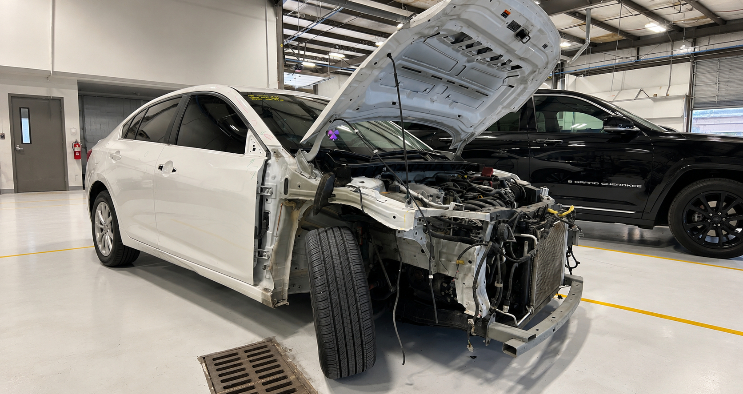
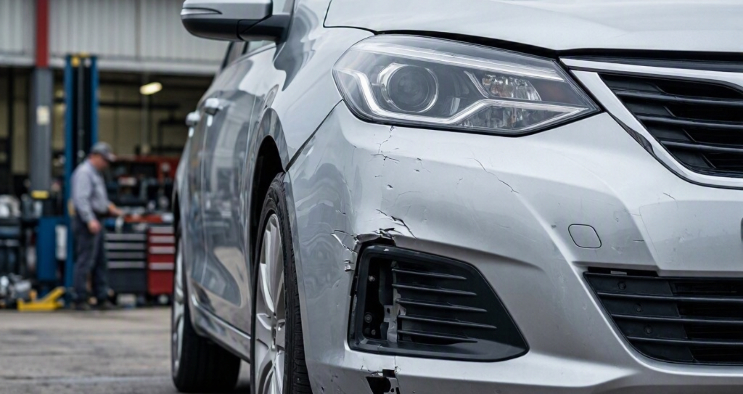
Not every vehicle with frame damage looks severely damaged. Some of the most significant structural issues begin with accidents that seem relatively minor. A dented bumper or low-speed parking-lot collision may appear cosmetic, yet the force of impact can travel through the vehicle’s structure and affect critical components beneath the surface. Modern vehicles are engineered with advanced safety systems designed to absorb and distribute crash energy. However, these same design features can make hidden frame damage difficult to detect without specialized equipment. Many drivers mistakenly believe that only major crashes cause structural damage. The reality is that even low-speed impacts can affect alignment, suspension geometry, and key areas of a vehicle’s frame or unibody.
Frame Damage Myths: What Drivers Often Get Wrong
Many drivers assume that frame damage after a minor accident is impossible. They focus on visible damage, but the possibility of hidden structural damage beneath the surface often goes unnoticed. Modern vehicles are designed to absorb and distribute crash forces efficiently, which means damage is not always visible from the outside. Several persistent myths about frame damage lead vehicle owners to underestimate the effects of even low-speed collisions. Understanding these misconceptions helps vehicle owners make informed decisions after an accident.
Myth 1: Low-Speed Crashes Cannot Affect the Frame
This is one of the most common misconceptions collision repair technicians encounter. Vehicle damage depends on much more than speed alone. The angle of impact, the stiffness of the object involved, and where collision forces enter the vehicle all influence how energy travels through the structure. Even a parking lot accident can result in hidden frame damage or compromised structural components. Research by the Insurance Institute for Highway Safety has shown that minor everyday impacts can generate repair bills well into the thousands of dollars, with damage to radiators, cooling fans, and structural reinforcement bars that drivers never notice.
Myth 2: Frame Damage Will Always Be Easy to Spot
Many drivers expect frame damage to present obvious warning signs, such as twisted metal or uneven body panels. Although these issues can indicate structural damage, they are not present in every case. Modern vehicles use crumple zones and reinforced structural components designed to absorb and redirect impact energy beneath the surface. This is why professional collision repair facilities use computerized measuring systems capable of identifying subtle structural variations that cannot be detected through visual inspection alone.
Myth 3: If the Car Drives Fine, Everything Must Be Okay
A vehicle can continue to drive normally even when hidden structural damage exists. Minor frame misalignment may not produce immediate symptoms, but it can gradually affect steering response, suspension geometry, and tire wear. Over time, these issues worsen, leading to reduced handling performance or additional repair costs. More importantly, a vehicle with undetected frame damage may not respond as intended in a future collision. Professional inspections verify that the vehicle’s structural integrity remains capable of performing as designed.
What Frame Damage Means on a Modern Car
The term frame damage often brings to mind images of a visibly bent chassis. However, in modern vehicles, the reality is more nuanced. Most vehicles today use unibody construction, in which the body and structural components function as a single, integrated system designed to provide strength and manage crash forces. When collision repair professionals refer to frame damage, they are often describing damage to critical structural components that maintain the vehicle’s integrity, even if there is no separate frame in the conventional sense.
Key structural components that can be affected include:
Frame rails: Primary structural supports that run along the vehicle’s length and distribute impact forces.
Crumple zones: Engineered sections designed to absorb crash energy. Once deformed, they may not provide the same protection in a future collision.
A and B pillars: Vertical supports surrounding the windshield and door openings that contribute to roof strength and occupant protection.
Rocker panels: Structural reinforcements beneath the doors that maintain passenger compartment integrity.
Subframe: A secondary structure supporting the engine, steering system, and suspension mounting points.
Even slight changes in component position can alter suspension geometry, contribute to uneven tire wear, affect door alignment, and influence overall vehicle handling. Most importantly, it can change how crash forces are absorbed in a future collision.
Common Indicators of Hidden Structural Damage
The absence of obvious damage does not always mean your vehicle escaped a collision unscathed. Although only a professional inspection can confirm frame damage, paying attention to subtle changes after an accident can help you determine when a closer evaluation is necessary.
Uneven gaps between body panels: Small variations in panel gaps are normal, and manufacturers allow certain tolerances between components. What matters is that the panels appear flush and reasonably symmetrical from one side of the vehicle to the other. If a door, hood, or trunk suddenly sits higher, lower, or noticeably different from the opposite side after a collision, it could indicate that underlying structural components have shifted.
Doors or trunk that do not operate smoothly: Components that suddenly stick, require extra force to close, or no longer latch properly may indicate underlying structural movement.
Vehicle pulling to one side: On a straight, level road, your vehicle should maintain its course without constant steering correction. Consistent drifting may indicate alignment or suspension issues.
Tires wearing unevenly: Tires showing unusual or faster-than-normal wear, especially on one side, can indicate alignment problems caused by structural misalignment.
Unusual noises: Creaking, rattling, or new vibrations at highway speeds can indicate components that are no longer seated correctly.
Fluid spots: Coolant, power steering fluid, or transmission fluid appearing on the driveway after a collision may indicate that lines or reservoirs have shifted or cracked.
Safety system warnings: Hidden structural damage can affect sensors and calibration points, resulting in warning lights or irregular operation of driver assistance features.
If you notice several of these signs after a collision, scheduling a professional post-collision inspection is the most reliable way to determine whether your vehicle’s structural integrity has been affected.
How Professionals Detect Hidden Frame Damage
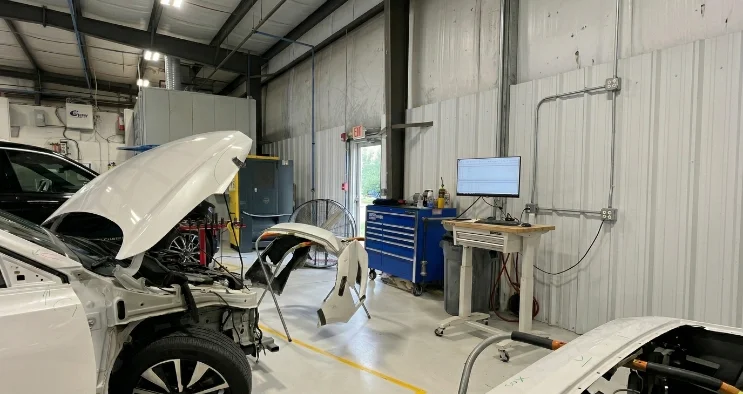
Hidden frame damage cannot be identified through visual inspection alone. Modern vehicles have complex structural systems that can sustain subtle misalignments without obvious exterior signs. Professional collision repair facilities rely on specialized measuring equipment to determine whether a vehicle’s structure matches the manufacturer’s specifications. At Collision Restoration, the inspection process uses advanced computerized measuring systems to evaluate the vehicle’s frame or unibody with high accuracy. The process includes:
Computerized structural measurements: The vehicle is measured and compared against OEM specifications to detect shifted structural components.
Laser or 3D measuring technology: Multiple reference points are mapped to detect minor deviations from factory dimensions.
Real-time measurement monitoring: Measurements are monitored throughout repairs to ensure proper restoration.
Before-and-after documentation: Detailed reports record structural conditions before and after repairs, providing valuable documentation for customers and insurance providers.
This data-driven approach removes uncertainty that often follows a collision. Drivers receive a clear picture of their vehicle’s structural condition and can make informed decisions about necessary repairs.
Frequently Asked Questions About Frame Damage
Can frame damage be repaired, or does it always mean the car is totaled?
In most cases, frame damage can be repaired. Modern repair equipment applies computer-guided force to bent structural components and measures results against factory specifications. Whether a car is declared a total loss depends on economics: if the cost to repair exceeds 65 to 80 percent of the vehicle’s pre-accident value, the car is written off.
Can a minor accident cause frame damage?
Yes, especially if the hit was at an angle, pushed a wheel, or involved the front or rear corners. The visible damage may look small, while the force travels into the structure or suspension.
How can I tell if my frame is damaged?
The most common clues are pulling while driving straight, uneven tire wear, misaligned body panels, and doors or trunk that do not close smoothly. Together, these are strong reasons to have the car checked with a measurement-based inspection.
Does frame damage hurt a car’s resale value even after it is repaired?
Yes, in most cases. Once structural damage is documented in a vehicle’s history, it reduces the vehicle’s resale and trade-in value, regardless of repair quality. Some owners pursue a diminished-value claim through their insurer to recover the difference between the car’s pre- and post-accident value.
Conclusion
If you have been in a minor accident, do not assume your vehicle is in the clear just because it looks fine. Hidden frame damage is more common than many drivers realize, and ignoring it can affect how your vehicle drives today and how it performs in a future collision. Take a few minutes to look for warning signs, but keep in mind that only a professional inspection can confirm whether your vehicle’s structure is sound. Collision Restoration offers free estimates at autocollisionrestoration.com and uses OEM-certified equipment to ensure your vehicle is repaired to the highest standards. Starting with a free estimate is a simple and practical first step.
Categories
- Accident Recovery (3)
- Auto Maintenance and Car Care (1)
- Auto Parts Guide (1)
- Auto Repair Tips (1)
- Car Care & Maintenance (1)
- Collision Repair Standards (2)
- Consumer Rights (2)
- Industry News & Trends (1)
- Paintless Dent Repair (1)
- Vehicle Safety & Structural Integrity (2)
- Vehicle Technology and Repair (2)
- Warranty & Peace of Mind (1)