



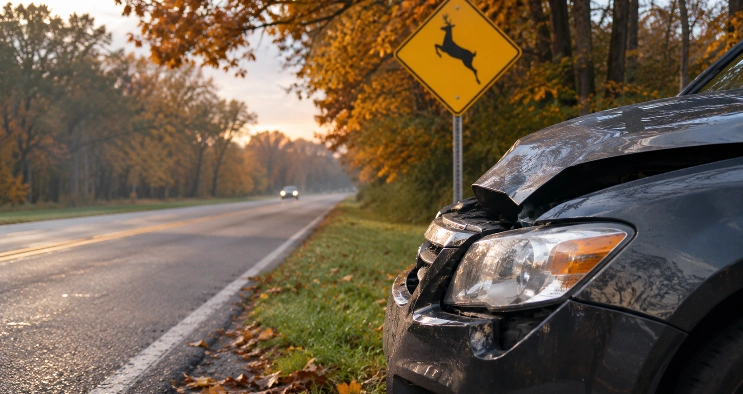
Does Vehicle Insurance Cover Hitting a Deer in Indiana?
Insurance and Claims
Hitting a deer in Indiana is typically covered by comprehensive insurance, but coverage depends on your policy and deductible. Learn how deer accident claims work, what happens if you swerve, and what to do after a collision.

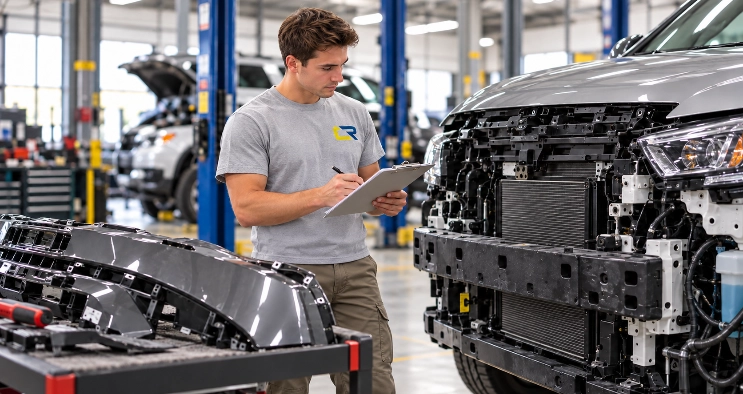
R&I vs. R&R: What Those Collision Estimate Terms Actually Mean
Auto Repair Tips
R&I and R&R are common terms on collision repair estimates, but they describe very different operations. This guide explains what each abbreviation means, why an undamaged part may still be removed, and how these lines fit into the overall repair plan.
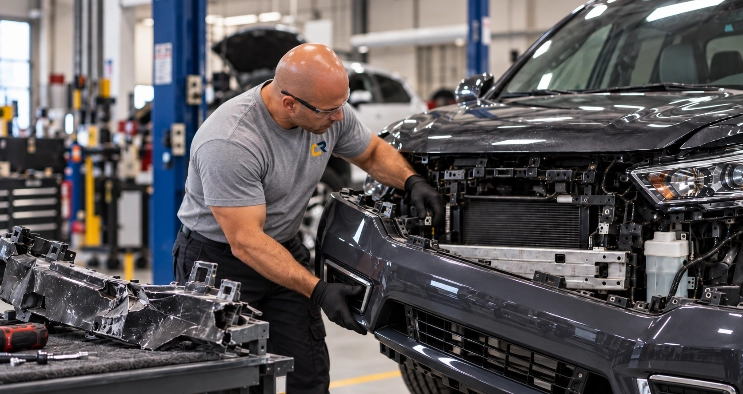
Why Some Collision-Damaged Parts Must Be Replaced Instead of Repaired
Auto Parts Guide
Not every damaged vehicle part can be safely repaired. This article explains how materials, structural design, one-time-use components, sensor brackets, and OEM procedures determine when replacement is the correct repair choice.
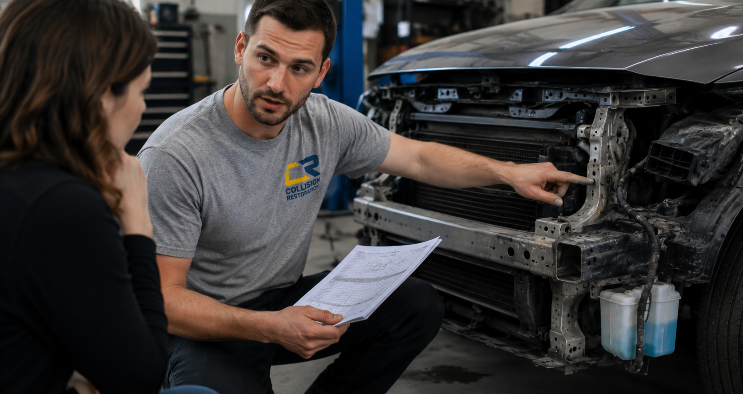
What Is a Collision Repair Supplement and Does It Cost Me More?
Accident Recovery
A collision repair supplement updates the original estimate when additional damage, labor, parts, or procedures are discovered. Learn why supplements happen, how insurers review them, and whether they increase your out-of-pocket cost.
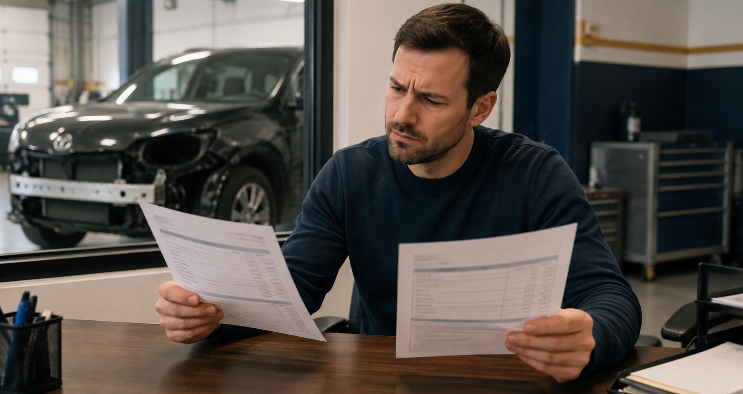
Why Vehicle Repair Estimates Can Differ: What You Should Know
Accident Recovery
Collision repair estimates can vary because shops may identify different damage, parts, labor operations, or manufacturer requirements. This guide explains why estimates are not always directly comparable and what drivers should review before choosing a repair plan.
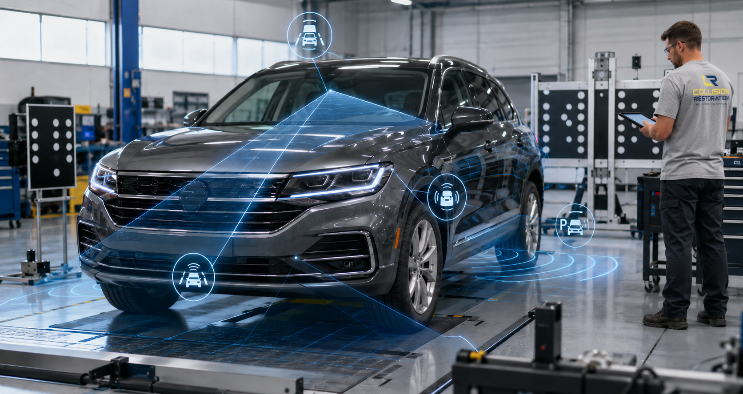
ADAS Features Explained: How Your Vehicle’s Safety Systems Work and Why Calibration Matters
Vehicle Technology and Repair
ADAS features use cameras, radar, sensors, and onboard computers to support driver safety. Learn how these systems work, which repairs can affect them, and when calibration may be required after a collision.
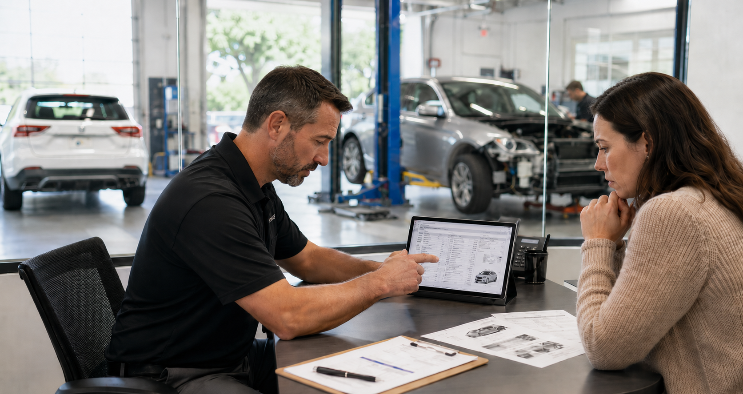
How Direct Repair Programs Work: From Insurance Estimate to Completed Repair
Collision Repair Standards & Consumer Rights
Direct Repair Programs create a structured workflow between insurers and repair facilities. This article explains how estimates, supplements, approvals, documentation, and final repairs move through the process from initial claim to vehicle delivery.
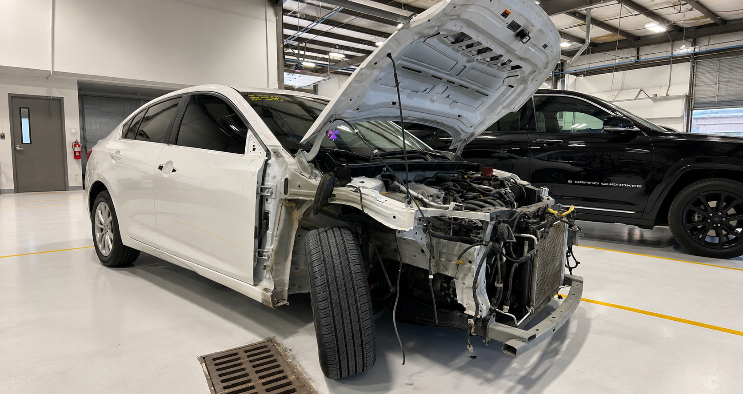
Why Modern Vehicles Are More Difficult to Repair Than Ever Before
Vehicle Technology and Repair
Modern collision repair involves advanced materials, electronics, sensors, diagnostics, and manufacturer-specific procedures. This article explains why newer vehicles require more planning, precision, and technical expertise than traditional body repairs.
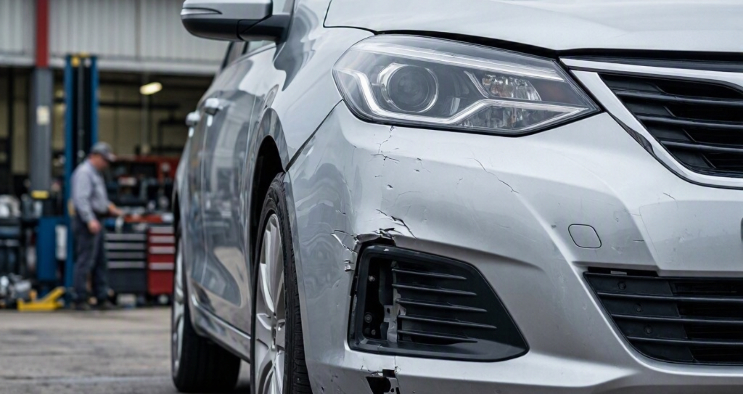
Why Bumper Damage Is Often More Serious Than It Looks
Vehicle Safety & Structural Integrity
Modern bumpers can hide reinforcement structures, sensors, wiring, and energy-absorbing components behind the visible cover. Learn why minor-looking bumper damage may require a deeper inspection before the full repair can be determined.
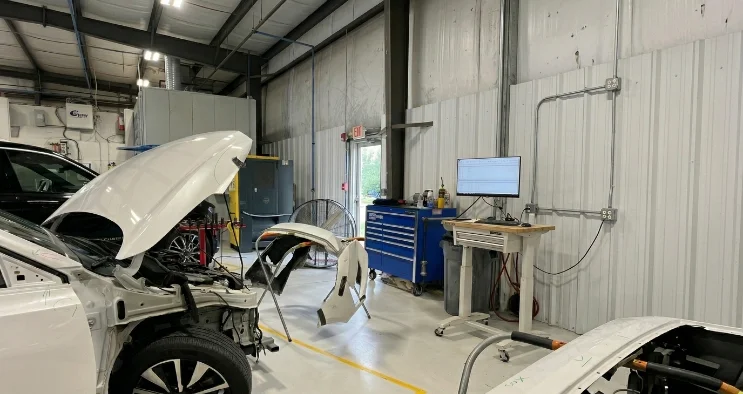
Frame Damage Myths: What Minor Accidents Really Do and How to Spot Hidden Issues Cheaply
Vehicle Safety & Structural Integrity
Frame and structural damage can happen even after a relatively minor collision. This article clears up common myths and explains the warning signs that may point to hidden alignment, suspension, or structural issues.
How the GRIND Mentorship Program is Shaping the Future of Collision Repair
Industry News & Trends
The G.R.I.N.D. Apprenticeship Program combines paid shop experience, mentorship, technical training, and certification opportunities. Learn how the program helps develop skilled collision repair technicians through hands-on work and structured career development.
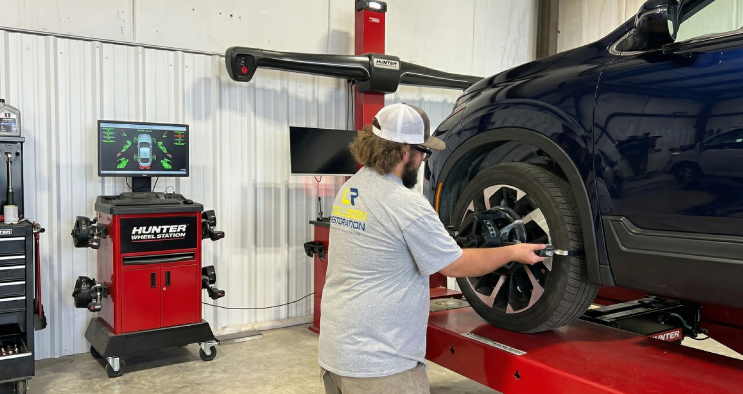
Why Wheel Alignment Matters After Temperature Fluctuations: A Summer Guide for Indiana Drivers
Auto Maintenance and Car Care
Indiana’s seasonal temperature swings, potholes, and rough roads can gradually affect wheel alignment. Learn the common signs of misalignment and how a timely alignment check can help reduce uneven tire wear and handling problems.
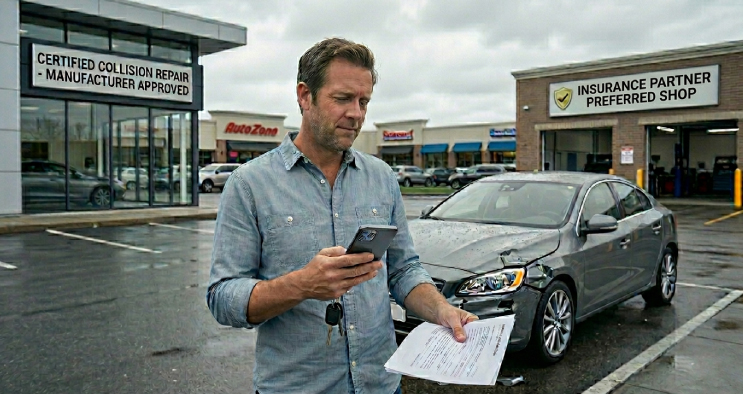
You Have the Right to Choose: Why Your Insurance Company Can’t Dictate Where You Repair Your Car
Consumer Rights
Drivers are not automatically required to use an insurance company’s preferred body shop. This guide explains repair-shop choice, insurance steering, Direct Repair Programs, and what Indiana drivers should consider when selecting a collision repair facility.
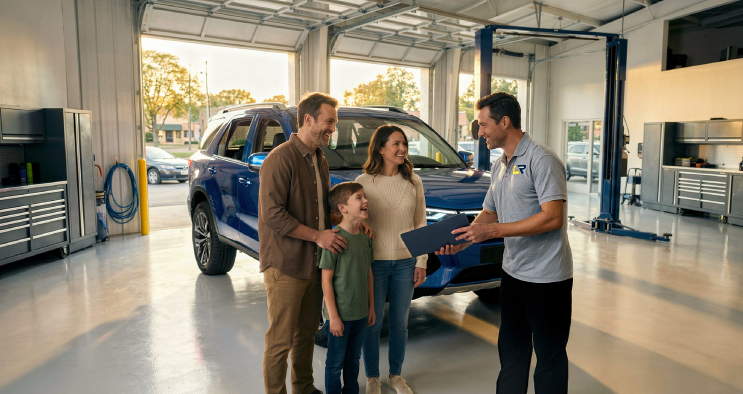
The Lifetime Warranty Deep Dive: What Exactly Is (and Isn’t) Covered at Our Shop
Warranty & Peace of Mind
A lifetime repair warranty can cover different things depending on the work performed. This article explains what Collision Restoration’s warranty includes, how parts are handled, and what customers should know about maintaining coverage.
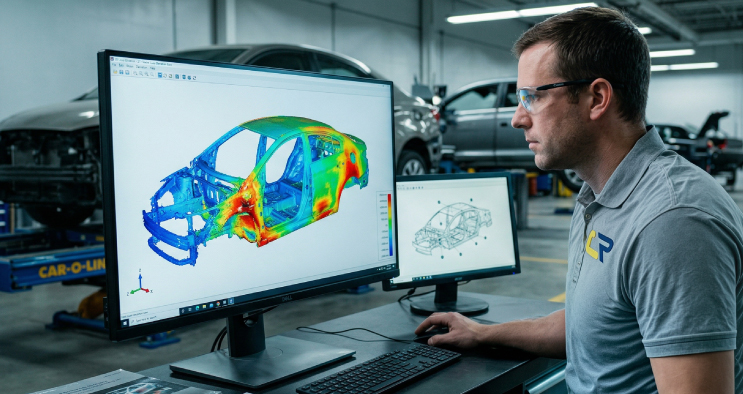
Beyond the Dent: A Technician’s Guide to Identifying Hidden Structural Damage After a Collision
Auto Repair Tips
Visible damage does not always show the full impact of a collision. Learn how technicians identify hidden structural issues through measurements, panel alignment, suspension checks, diagnostic scans, and other signs beneath the surface.
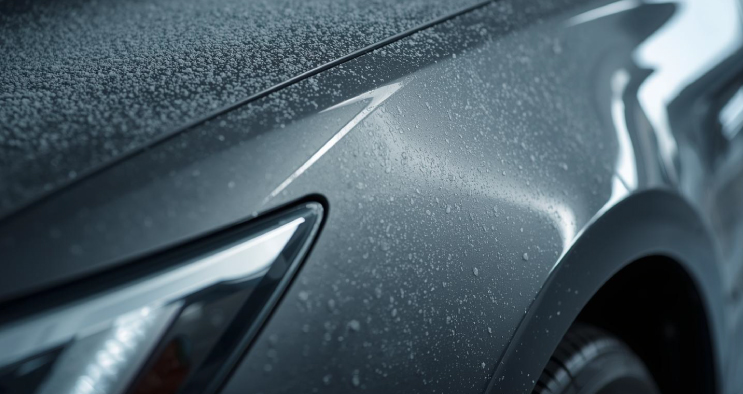
Winter Ready, Indiana: How to Protect Your Car’s Paint and Body from Salt and Cold
Car Care & Maintenance
Road salt, moisture, cold temperatures, and winter debris can damage vehicle paint and exposed metal. This guide explains practical ways Indiana drivers can reduce corrosion, paint damage, and long-term body deterioration.
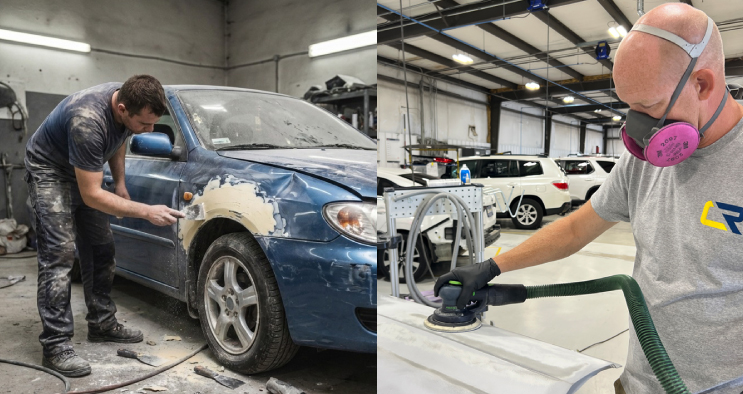
The Hidden Dangers of “Quick Fix” Body Shops: What Quality-Certified Repair Really Means
Collision Repair Standards
A repair can look acceptable on the surface while important steps are missed underneath. Learn how training, OEM procedures, structural work, diagnostics, corrosion protection, and quality control separate complete repairs from cosmetic shortcuts.
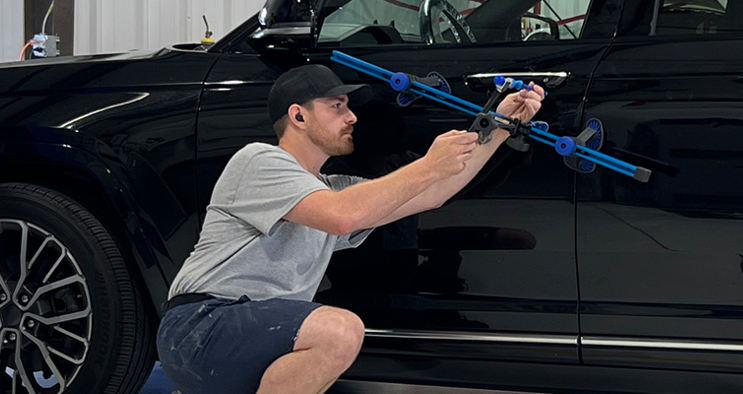
Paintless Dent Repair (PDR) Explained: Cost, Process, & How It Can Benefit You
Paintless Dent Repair
Paintless Dent Repair removes certain dents without sanding, filler, or repainting. This guide explains how PDR works, which damage qualifies, what affects cost, and why preserving factory paint can be beneficial.
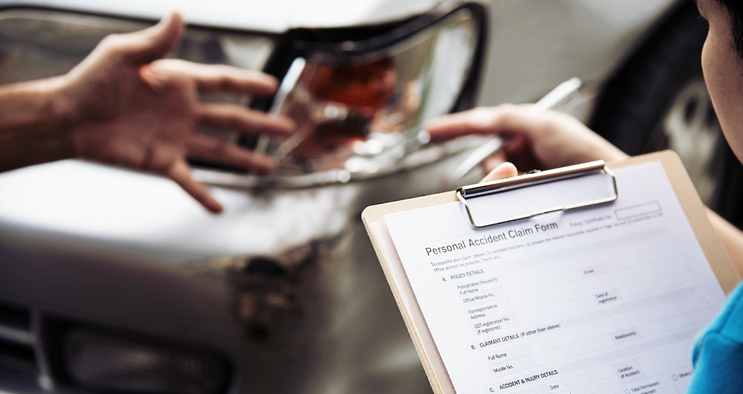
What To Do After an Accident: Step-by-Step Guide to Handling an Accident
Accident Recovery
Knowing what to do after a car accident can help protect your safety, insurance claim, and repair process. Follow the key steps from documenting the scene to choosing a repair facility.
OEM vs. Aftermarket vs. Used Parts: Understanding the Differences
Auto Parts Guide
Replacement parts can come from the manufacturer, aftermarket suppliers, or other vehicles. This guide compares OEM, aftermarket, and used parts by fit, quality, cost, availability, warranty, and repair application.
Categories
- Accident Recovery (3)
- Auto Maintenance and Car Care (1)
- Auto Parts Guide (2)
- Auto Repair Tips (2)
- Car Care & Maintenance (1)
- Collision Repair Standards (2)
- Consumer Rights (2)
- Industry News & Trends (1)
- Insurance and Claims (1)
- Paintless Dent Repair (1)
- Vehicle Safety & Structural Integrity (2)
- Vehicle Technology and Repair (2)
- Warranty & Peace of Mind (1)