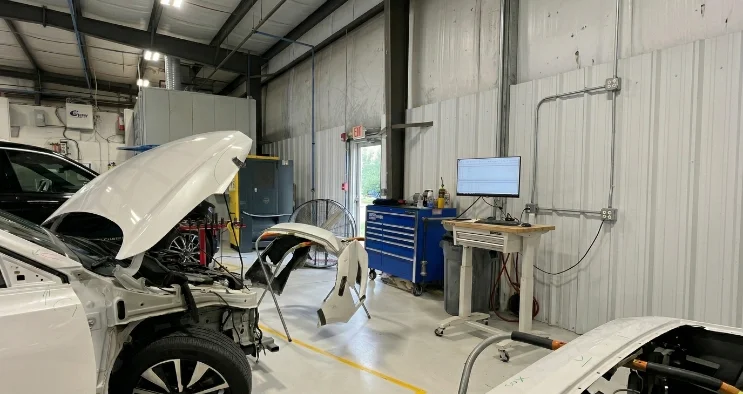
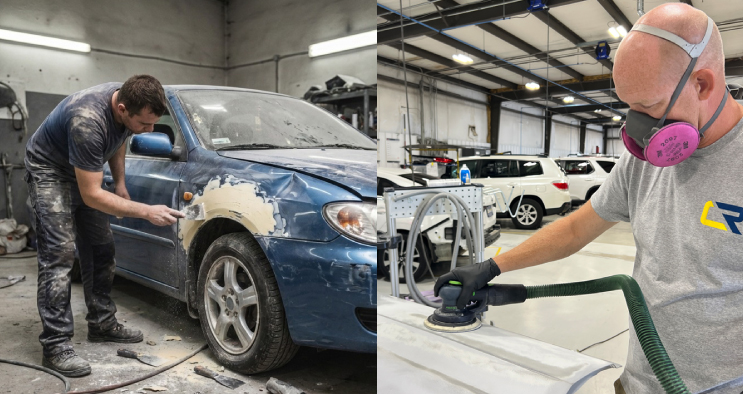
After a collision, you file a claim and an insurance adjuster tells you to take your car to a specific shop. Some drivers are told the insurer cannot guarantee repairs if they go anywhere else. Others are warned that using a different shop could delay their claim. Many are led to believe they simply have no choice. What those adjusters often leave out is that in nearly every state, including Indiana, you have the legal right to choose your repair shop. The insurance company may pay the bill, but the decision about who does the work belongs to you. Once you know you have the right to choose an auto repair shop after an accident, the next question becomes: why are insurance companies so insistent on their preferred shops? The label may sound trustworthy, but it often reflects business partnerships designed to make the insurer’s process more efficient, not necessarily to give you the best repair outcome.
How Direct Repair Programs Work
Insurance companies often manage Direct Repair Programs for collision shops, which are networks of auto body shops that contract directly with insurers. In these arrangements, shops agree to preset rates, administrative procedures, and repair standards aligned with the insurer’s claim-handling process. For drivers, the system can appear efficient. However, shops inside these programs often follow the insurer’s cost guidelines, which can influence choices about parts, techniques, and timelines.
The Trade-Offs Behind the Convenience
Efficiency in the claims process can come at a cost. Insurance-affiliated repair shops are typically required to follow company guidelines that may include using aftermarket or recycled parts instead of original manufacturer components. These substitutions can affect the quality and long-term value of your vehicle. Relying on a preferred insurance repair shop also means giving up flexibility, such as seeking a second opinion or requesting alternative repair methods.
Why Independent Shop Choice Matters
Independent repair shops operate with direct accountability to their customers, not to insurer-driven cost controls. This allows them to recommend repair methods, materials, and parts based on your vehicle’s specific needs rather than preset pricing guidelines. For vehicle owners, that distinction puts control of the repair process back in their hands, from the quality of parts used to the standard of artistry delivered.
The Law Supports Your Right to Choose in Indiana
Across all 50 states, including Indiana, anti-steering laws protect your right to choose where your vehicle is repaired. While insurers may recommend preferred shops, they cannot require you to use one. You authorize the repairs. The insurance company simply pays according to your policy. In Indiana specifically, Indiana Code Title 27, Article 4, Chapter 1.5 establishes procedures insurers must follow during the claims process. Violations of those procedures can constitute unfair claims settlement practices. Legislation that passed the Indiana Senate unanimously reflects a broader recognition of the importance of consumer choice in the repair process. The underlying standard remains intact: insurers cannot mandate the use of a particular shop.
Indiana consumer protection note: For insured repairs on vehicles under six years old, Indiana parts approval rights give drivers the right to be informed about and approve the type of parts used, whether OEM, aftermarket, or recycled, before work begins. This is a meaningful protection that many drivers are unaware of.
What Insurers Are and Are Not Allowed to Do
There is a clear distinction between recommendation and steering. Here is where the line falls:
– Insurers are permitted to suggest repair shops and identify facilities within their network.
– Insurers may explain how costs could be evaluated if you choose a shop outside their network.
– Insurers cannot require a specific repair shop or condition the handling of your claim on where you take your vehicle.
– Insurers are expected to work in good faith with your selected shop to reach a fair and reasonable repair cost.
If a conversation begins to feel like direction rather than guidance, it is worth recognizing that the decision to choose your repair shop still belongs to you. If you are ever uncertain, asking the insurer for its position in writing often brings the conversation back to what the law actually allows.
Why Repair Quality Matters More Than Ever
Modern vehicles are more complex than ever, and that complexity shows up directly in the repair process. Data from Mitchell International, reported by Claims Journal, shows that between 2019 and 2024, the average number of replacement parts on a damage appraisal increased by 15 percent, with parts now accounting for more than 51 percent of total repair costs. The number of repair operations rose by 20 percent over the same period. Today’s collision repair quality and safety systems go beyond fixing visible damage. Repairs must restore interconnected systems that directly influence a vehicle’s performance and protect its occupants. Critical systems, including advanced driver assistance features, may not function as intended if repairs and calibrations are not handled correctly. Choosing an OEM-certified collision repair shop means selecting a facility that meets the manufacturer’s standards for equipment, technician training, and approved repair procedures. As vehicles continue to evolve, repair quality becomes increasingly tied to safety, performance, and long-term reliability.
How to Choose the Right Shop for Your Repair
Not all collision repair shops operate at the same standard, which makes your choice just as important as your right to make it. After an accident, a structured approach helps protect both the quality of the repair and your overall experience.
Take control of the decision: You do not need permission to choose a repair shop. Inform your insurance company where you intend to take your vehicle. If they recommend a preferred network, you can acknowledge the suggestion while still moving forward with your own selection.
Look for OEM certification: Prioritize shops that hold OEM certifications for your vehicle’s make. These certifications confirm that technicians are trained to follow manufacturer-approved repair procedures and use the correct equipment. It is reasonable to ask the shop directly whether it is certified for your specific vehicle.
Understand your parts approval rights: In Indiana, you may have the right to approve the type of parts used in your repair before work begins, particularly for newer vehicles covered by insurance. Choosing OEM parts helps maintain original fit, finish, and safety performance.
Ask about warranty coverage on repairs: A reputable repair shop stands behind its work. Look for written warranty coverage on artistry. Many high-quality facilities offer lifetime warranties as a standard.
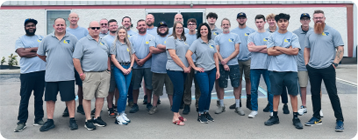
At Collision Restoration, we work directly with insurance companies on behalf of our customers across Zionsville, Noblesville, Westfield, Pendleton, and Greenfield. As an OEM-certified repair facility in Indiana, our team follows manufacturer repair procedures, not insurer-driven shortcuts. That distinction becomes increasingly important as vehicles grow more advanced and the margin for error in collision repair continues to narrow.
Conclusion
Your insurance policy is designed to cover the cost of restoring your vehicle to its pre-accident condition. It does not give the insurer the authority to choose who performs the repair. That decision belongs to you, and it is protected by law. If you are ever told that your options are limited, ask for clarification in writing. That step alone often brings the conversation back to what the law actually allows, helping you avoid decisions based on pressure rather than facts. Collision repair and vehicle safety are inseparable today. The shop you choose plays a direct role in restoring safety systems, structural integrity, and long-term performance. If you want a clear understanding of your vehicle’s condition before moving forward, the team at Collision Restoration offers free, no-obligation estimates. It is a simple way to get informed, and knowing where you stand makes the whole process easier to navigate.