

Why Modern Vehicles Are More Difficult to Repair Than Ever Before
Vehicle Technology and Repair
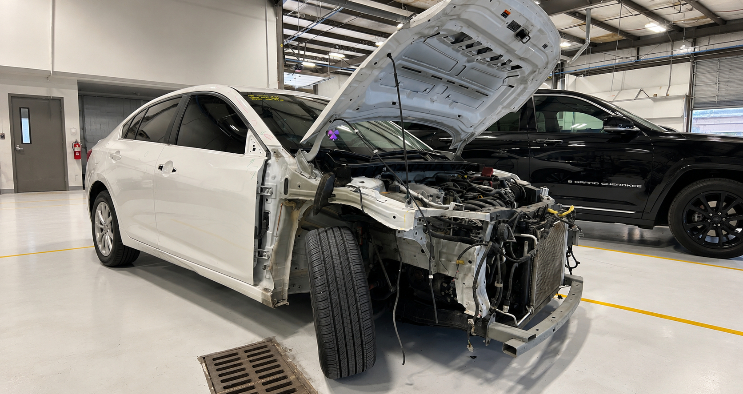
Why does an auto body repair that once took a day now require specialized diagnostics, software scans, and sensor calibration? It is a question many drivers ask after receiving an estimate for what appears to be a relatively minor collision. The answer lies in how dramatically vehicles have evolved. Today’s cars are no longer made up of just metal panels, mechanical components, and paint. Many now contain sophisticated cameras, radar sensors, electronic control modules, high-strength steel and aluminum, and advanced driver assistance systems (ADAS) that work together to help prevent accidents and protect occupants. While these innovations have made vehicles significantly safer, they have also made collision repair far more technical than it was even a decade ago. Repairing visible damage is no longer enough. Every repair must also consider the vehicle’s structural integrity, electronic systems, and safety technologies to ensure they continue functioning as designed. Understanding these changes helps drivers make informed decisions when choosing a collision repair facility after an accident.
What Changed in Modern Vehicles?
Modern vehicles may not look dramatically different from those built two decades ago, but beneath the exterior, they have evolved in almost every way. Advances in crash protection, fuel efficiency, emissions standards, and driver assistance technology have fundamentally changed how vehicles are engineered and, as a result, how they must be repaired after a collision. Many of today’s vehicles combine sophisticated electronics, lightweight structural materials, and integrated safety systems designed to work together. According to the National Highway Traffic Safety Administration (NHTSA), more than 90% of 2023 model year vehicles came standard with forward collision warning and automatic emergency braking, highlighting how quickly advanced safety technologies have become part of everyday driving. As these systems have become more common, modern vehicle repair has evolved beyond restoring visible damage. It now involves ensuring the vehicle’s structural integrity, electronics, and safety features continue to perform as the manufacturer intended.
Modern Vehicles Depend on Connected Technology
Unlike older vehicles, where many components functioned independently, modern vehicles rely on a network of electronic control modules that continuously exchange information. Features such as automatic emergency braking, adaptive cruise control, blind spot monitoring, lane keeping assistance, parking sensors, and surround-view cameras depend on cameras, radar sensors, ultrasonic sensors, and onboard computers working together in real time. This interconnected design means that damage to one component can affect several systems. A collision that appears to involve only a bumper or fender may also impact sensor brackets, wiring harnesses, or communication between electronic modules. That is why OEM-certified collision repair extends beyond replacing damaged panels. Technicians must also verify that every affected system continues to operate in accordance with the manufacturer’s repair procedures.
Vehicle Construction Has Become More Advanced
Automakers have also changed the way vehicles are built. To improve crash performance while reducing weight, manufacturers now use a combination of high-strength steel, ultra-high-strength steel, aluminum, composite materials, and structural adhesives throughout a single vehicle. Each material is selected for a specific purpose and requires repair methods that differ from those used in traditional steel construction. For example, some high-strength steel components cannot be heated or straightened without affecting their engineered strength. At the same time, aluminum repairs often require dedicated tools and work areas to prevent contamination. In many cases, manufacturer repair information specifies whether a component can be repaired or must be replaced to preserve its intended structural performance.
Safety Systems Extend Beyond What You Can See
Many parts that once served primarily structural or cosmetic purposes now play an active role in vehicle safety. A front bumper may house radar sensors used for automatic emergency braking and adaptive cruise control. A windshield may serve as the mounting location for a forward-facing camera that supports lane-keeping assistance and traffic sign recognition. Even side mirrors, grilles, and rear bumpers often contain sensors that contribute to advanced driver assistance systems (ADAS).
Why Modern Vehicle Repairs Require More Than Replacing Parts
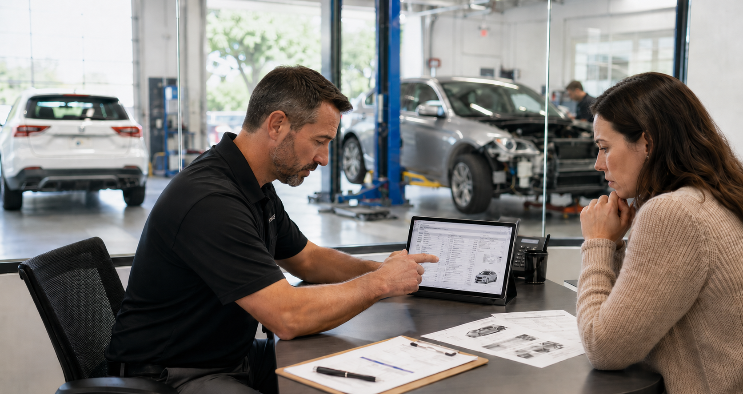
The technology built into today’s vehicles has changed what it takes to complete a car collision repair. Replacing damaged parts is only one step. A successful repair begins with understanding how the collision affected the vehicle beyond the visible damage, allowing technicians to develop the right repair strategy before any work begins. A thorough assessment helps ensure the repair addresses the full extent of the damage rather than only what is immediately visible.
Every Repair Starts With a Plan
The repair plan is developed after a thorough inspection, diagnostic scans, and, when necessary, partial disassembly. Hidden damage often isn’t visible until bumpers, trim panels, or interior components are removed. Manufacturer repair procedures are then reviewed to determine which parts can be repaired, which must be replaced, and whether calibrations or additional inspections will be required. This planning stage helps avoid guesswork and ensures the repair follows the standards established for that specific make and model.
Precision Matters More Than Ever
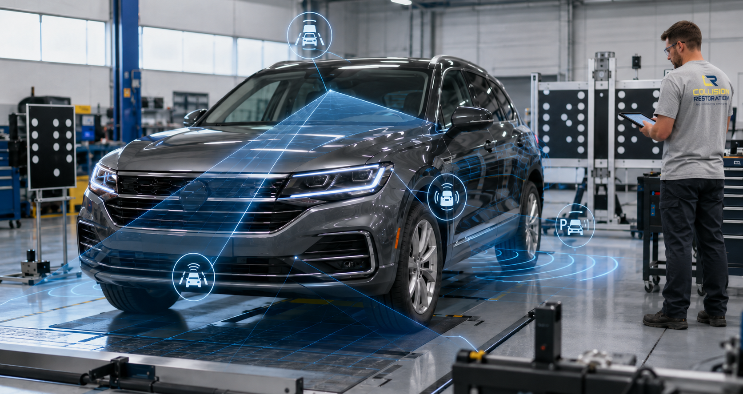
Modern vehicles are built with extremely tight tolerances. A bracket that’s slightly bent, a sensor that’s mounted a few millimeters out of position, or a structural component that’s repaired incorrectly can affect how advanced safety systems operate. That level of precision extends beyond body alignment. It includes measuring the vehicle’s structure, verifying panel fitment, performing wheel alignments as required, and calibrating cameras or radar sensors in accordance with the manufacturer’s procedures.
Experience Drives Better Repair Decisions
Modern collision repair requires more than technical skill. Technicians must understand advanced vehicle construction, evolving repair methods, and manufacturer guidance when evaluating collision damage. Even when two vehicles appear to have similar damage, the correct repair approach can differ significantly depending on how each vehicle was engineered. That expertise helps ensure repair decisions are based on the vehicle’s specific design and repair requirements rather than assumptions or previous experience. As vehicle technology continues to evolve, ongoing training and access to up-to-date repair information have become essential to delivering a safe, high-quality repair.
Why ADAS Calibration Is Critical
Few aspects of modern collision repair carry more weight, or more risk, than ADAS calibration. As more vehicles arrive equipped with cameras, radar, and ultrasonic sensors, calibration has shifted from an occasional add-on to a routine part of nearly every repair. ADAS calibrations appeared on 34.7% of repair estimates in 2025, up from just 12.1% in 2022, according to Enlyte’s 2026 Envision Trends report. The report attributes much of this growth to the sensitivity of these systems, noting that calibration lines rose 31.4% year over year, as even minor changes in alignment, mounting, or body dimensions could affect ADAS components. However, a Revv benchmark study found that roughly 61% of vehicles arriving for collision repair actually require some form of ADAS calibration, as reported by Autobody News. This is why calibration cannot be treated as optional, even after a minor repair. A bumper replacement, windshield swap, or wheel alignment can shift a sensor by just a few millimeters, enough to throw off how the system reads the road. A vehicle can look fully intact on the outside while its safety systems are effectively switched off beneath the surface, leaving drivers without the protection they assume is still there.
What a Proper Collision Repair Involves Today
Repairing a modern vehicle is no longer a single repair performed in a single step. From the initial inspection to the final quality check, every stage is designed to identify hidden damage, restore structural integrity, and verify that the vehicle’s safety systems perform as intended. While the exact auto collision repair process varies by vehicle and the extent of the damage, a quality repair follows a systematic approach rather than focusing solely on the visible damage. Before any repairs begin, a qualified collision repair shop reviews the Original Equipment Manufacturer (OEM) repair procedures for the specific vehicle. The manufacturer develops these procedures and provides model-specific instructions for inspections, repairs, replacement criteria, joining methods, torque specifications, corrosion protection, and post-repair operations. Because repair requirements vary between makes, models, and even model years, following OEM procedures helps ensure the vehicle is restored as closely as possible to its original design.
Thorough inspection: Catching both the damage you can see and the kind that only shows up under specialized measuring or diagnostic equipment.
Review of manufacturer repair procedures: Pinning down the approved methods, materials, and tolerances for that specific make and model.
Structural and body repairs: Fixing or replacing affected components the way the manufacturer specifies, not through one-size-fits-all shortcuts.
Diagnostic scans and ADAS calibration: Confirming sensors and electronic systems are recalibrated and working correctly, wherever the vehicle requires it.
Final quality checks: Verifying fit, finish, structural soundness, and safety system performance before the car goes back to its owner.
At Collision Restoration, every repair follows this structured process because modern vehicles demand more than cosmetic repairs. Our team focuses on restoring each vehicle’s safety, performance, and appearance using manufacturer-recommended repair methods, advanced equipment, and industry best practices.
FAQs About Modern Vehicle Repair
Why is it so expensive to repair newer cars?
Newer cars pack expensive electronics into places that used to hold simple parts. A bumper or windshield now often contains cameras, radar, and sensors that must be replaced and recalibrated with specialized equipment, and modern body materials require specific welding and bonding rather than basic dent work. The diagnostic tools and training a shop needs also add to the cost, so the bill climbs even when the visible damage is minor.
Can a Small Accident Damage Cameras or Sensors?
Yes. A small impact can damage or shift a sensor, its bracket, wiring, or the panel that holds it. The vehicle may not always display a warning message immediately, especially if the component is still communicating with the system. The only way to determine the condition of collision-related components is through a proper inspection, scan, and review of manufacturer procedures.
What is ADAS calibration, and does my car need it after every repair?
ADAS calibration is the process of realigning a vehicle’s cameras, radar, and other sensors so they read the road accurately again after a repair. Not every repair requires it, but many do, including windshield replacement, bumper repair, suspension work, and anything that involves the front grille area. The safest approach is to ask your shop to check the manufacturer’s repair procedures for your specific vehicle rather than assuming calibration is unnecessary.
Why Are Pre-Repair and Post-Repair Scans Included on an Estimate?
A pre-repair scan records existing diagnostic trouble codes and helps identify systems that may have been affected by the collision. A post-repair scan verifies that the issues were addressed and that no new faults remain. These scans are not a substitute for physical inspection or calibration, but they are an important part of documenting a modern vehicle’s condition.
Will my insurance company pay for sensor calibration?
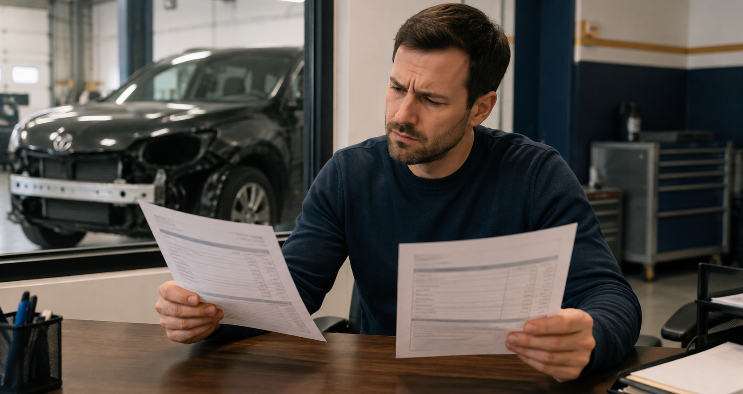
In most cases, yes, when calibration is required by the manufacturer’s repair procedures and properly documented on the collision repair estimate. Insurers increasingly expect to see calibration listed as its own line item rather than bundled into general labor. If a shop never mentions calibration on an estimate for a repair that should require it, that is worth asking about directly.
Conclusion
Modern vehicles are safer, smarter, and more technologically advanced than ever before. The same innovations that help prevent accidents and protect occupants have also transformed the auto collision repair process. Restoring a vehicle today requires more than replacing damaged parts. It requires the right equipment, ongoing training, manufacturer-approved repair methods, and the expertise to ensure every system performs as intended. If your vehicle has been involved in a collision, choosing a facility with experience repairing today’s advanced vehicles can make a meaningful difference in the quality of the repair. At Collision Restoration, we combine skilled technicians, advanced repair technology, and manufacturer-recommended procedures to help restore your vehicle’s safety, performance, and appearance with confidence.
Need a repair after an accident? Contact Collision Restoration today to schedule a collision repair estimate and learn how we can help get your vehicle back on the road safely.
Categories
- Accident Recovery (3)
- Auto Maintenance and Car Care (1)
- Auto Parts Guide (1)
- Auto Repair Tips (1)
- Car Care & Maintenance (1)
- Collision Repair Standards (2)
- Consumer Rights (2)
- Industry News & Trends (1)
- Paintless Dent Repair (1)
- Vehicle Safety & Structural Integrity (2)
- Vehicle Technology and Repair (2)
- Warranty & Peace of Mind (1)