





Winter Ready, Indiana: How to Protect Your Car’s Paint and Body from Salt and Cold
Car Care & Maintenance
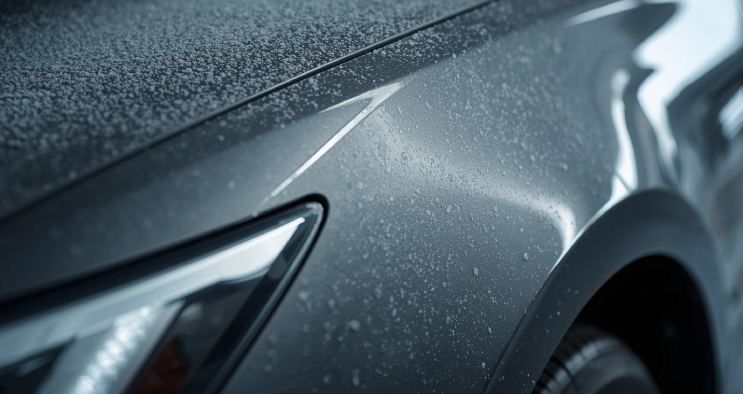
Indiana roads are hard on vehicles. Chemicals cling to wheel wells, undercarriages, and door edges, seeping into microscopic cracks and settling into hard-to-reach crevices. According to a 2022 report, the city of Indianapolis applies roughly 35,000 tons of salt during an average winter season. Across Indiana, road salt damage contributes more than $100 million in vehicle damage annually, according to AAA Midwest data, with paint and auto body repair costs leading the claims. For drivers, this is more than a cosmetic concern. Left untreated, vehicle corrosion can spread beneath the surface, compromise structural components, and significantly reduce resale value. The good news is that winter car maintenance and proactive rust prevention can minimize the impact. In the following sections, we explain how salt and cold temperatures threaten your vehicle’s paint and structure, and provide a step-by-step plan to safeguard your car throughout the season.
How Indiana Winters Quietly Damage Your Car
Indiana winter car care starts with understanding the threat. The state’s winters create a toxic combination of road salt and extreme cold that compromises paint protection, body integrity, and long-term durability. Freezing temperatures cause paint and protective coatings to contract and become more brittle, increasing vulnerability to cracking and chipping. Simultaneously, salt accelerates oxidation when combined with moisture and oxygen, initiating destructive chemical reactions on exposed metal.
Vehicle Corrosion
During winter, road salt acts as an electrolyte, lowering the freezing point of water and creating a highly conductive brine. This salty solution clings to your vehicle’s undercarriage, wheel wells, brake lines, and body panels, accelerating oxidation and worsening vehicle corrosion. Over time, it can penetrate clear coat protection through microscopic cracks formed during summer heat expansion. Cold temperatures compound the problem by causing paint layers to contract and become brittle, exposing vulnerable edges and existing chips. Even a small, untreated paint chip can allow rust to spread by one to two inches within months. As corrosion progresses, it can weaken essential components, increase repair costs, and potentially compromise vehicle safety. Understanding how salt damage works is the first step toward effective rust prevention.
Paint Chipping and Clear Coat Protection
Extreme cold alters how your vehicle’s paint behaves. Below 20 degrees Fahrenheit, clear coats contract up to 0.1%, which is enough to micro-crack under slush impacts. Road grit, frozen slush, and small stones that would barely mark the surface in warmer months can leave noticeable chips in winter. Salt then settles into those tiny chips, mixes with moisture, and expands as temperatures shift. That pressure lifts the surrounding paint, widening the damaged area. Once clear coat protection is compromised, moisture and salt penetrate deeper, accelerating rust beneath the surface. A small chip can quickly evolve into peeling paint, vehicle corrosion, and expensive body repairs if left untreated. Maintaining paint protection is central to any effective Indiana winter car care routine.
Structural Weakening
Winter does more than damage your vehicle’s exterior. It can gradually compromise its structural integrity. Repeated exposure to road salt and freezing temperatures creates ongoing stress within metal components, particularly where moisture has infiltrated seams and joints. As temperatures fluctuate, trapped water expands and contracts, accelerating the breakdown of protective coatings and exposing bare metal. Salt damage slowly thins frame rails, suspension components, brake lines, and mounting points. Over multiple winters, this deterioration can significantly reduce tensile strength and weaken welds, making them more brittle under stress from potholes and rough roads. The undercarriage is especially vulnerable because it absorbs the brunt of salt spray. Left unchecked, structural vehicle corrosion can affect safety, handling, and long-term reliability.
Winter Car Maintenance Essentials: Protect Your Vehicle This Season
Effective Indiana winter car care requires consistent habits and the right protective measures. Simple routines like winter car washing and damage inspections can prevent minor issues from becoming expensive repairs.
Establish a Regular Winter Car Washing Routine Every 1 to 2 Weeks
Regular winter car washing is one of the most effective ways to protect against rust and road salt damage. Salt accelerates corrosion by promoting electrochemical reactions on metal surfaces when mixed with moisture. Automotive experts, including Consumer Reports, recommend washing at least monthly during winter, with more frequent intervals (every 1 to 2 weeks) for vehicles exposed to heavy salting. Choose a car wash that offers undercarriage cleaning, as salt and brine collect heavily along the frame, suspension components, and wheel wells. If washing at home, use a high-pressure hose to thoroughly rinse beneath the vehicle. Perform washes when temperatures are above freezing to prevent ice formation, and schedule them immediately after major storms or heavy road salt applications.
Inspect for Chips and Apply Paint Protection Before Winter
Applying a protective wax or sealant before winter creates a hydrophobic barrier that repels water, salt, and road contaminants. This paint protection reduces surface adhesion and limits the penetration of corrosive elements. Synthetic waxes or polymer-based sealants provide longer-lasting protection than traditional carnauba wax, making them better suited for harsh Indiana winters. Before application, inspect the vehicle for scratches or chips and address them with a manufacturer-matched touch-up kit. Ceramic-infused sealants offer enhanced durability and chemical resistance for extended clear coat protection. Reapply paint protection midwinter, typically in January or February, to maintain consistent coverage and minimize the risk of salt damage.
Invest in Professional Winter Rust Proofing Treatment
The undercarriage is most exposed to road salt and brine, making winter rust proofing an essential investment. Professional treatments provide an added layer of defense by coating exposed metal, seams, and hard-to-reach crevices where salt tends to accumulate. Options include oil-based penetrating sprays such as Fluid Film or Krown, which seep into joints and displace moisture, as well as rubberized undercoatings that form a durable outer barrier. While professional winter rust-proofing applications typically range from $100 to $300, they can extend a vehicle’s lifespan and reduce the likelihood of costly repairs to brake lines, exhaust systems, and suspension components. Vehicles treated with rust-prevention generally show significantly lower corrosion levels over time than untreated cars.
Store Indoors or Use a Breathable Cover
Limiting direct exposure to winter conditions is a cornerstone of winter car care and rust prevention in Indiana. Parking in a garage shields your vehicle from salt spray, blowing debris, and constant freeze-thaw cycles. A controlled indoor environment significantly reduces prolonged contact with moisture and corrosive road residue. If garage storage is not an option, choose a high-quality breathable car cover. Breathable materials allow trapped moisture to escape while preventing salt, snow, and dirt from settling on the surface. Avoid fully sealed covers, as they can trap condensation and unintentionally accelerate vehicle corrosion rather than prevent it.
Avoid Parking in Snowbanks or Salt-Heavy Puddles
Where you park in winter directly affects the level of salt damage your vehicle sustains. Snowbanks along curbs often hold dense concentrations of road salt collected from repeated plowing. Shallow puddles formed by melting snow are typically salt-heavy runoff that clings to tires, rocker panels, and undercarriage components. Leaving your vehicle in these conditions prolongs contact with corrosive residue, particularly around lower body panels and seams. As temperatures rise and fall, trapped moisture can refreeze, adding stress to paint and exposed metal. Park in well-drained areas, away from curbside salt piles, to help slow winter-related vehicle corrosion.
Remove Snow and Ice Promptly with Soft Tools
Leaving snow and ice on your vehicle for extended periods increases the risk of surface damage. As snow melts and refreezes, it traps salt particles against the paint, raising the likelihood of scratching during removal. Clear accumulation as soon as possible, starting at the roof and working downward. Avoid metal shovels, stiff brushes, or abrasive tools that can damage the clear coat. Use soft foam brushes, microfiber snow tools, or a leaf blower for loose snow, and reserve plastic ice scrapers for glass surfaces only. De-icing sprays with isopropyl alcohol help loosen stubborn ice. Prompt removal reduces moisture intrusion and prevents heavy ice buildup that can channel salty runoff into door seals and body seams.
When to Call in the Professionals for Auto Body Repair
Even with proper winter car maintenance, some damage may require professional auto body repair in Indiana. Warning signs that it’s time to visit a certified collision repair shop include bubbling or blistering paint that indicates rust forming beneath the surface, rust spots or flaking metal along wheel wells and lower doors, rust streaks spreading from chips or scratches, thinning metal or visible holes underneath signaling structural rust, deep scratches that expose bare metal where touch-up paint cannot fully seal the area, and changes in handling or unusual brake and suspension noises that may indicate salt-related structural deterioration. Winter vehicle corrosion can escalate quickly through freeze-thaw cycles, so for lasting repairs, professional equipment and proper refinishing are essential. A qualified auto body repair shop can safely remove corrosion, restore structural strength, and ensure precise paint matching before road salt damage spreads further.
Conclusion
Indiana winters deliver a double punch: frigid cold that embrittles automotive paint and road salt damage that corrodes like acid. From the snowbelt regions near Lake Michigan to the busy streets of Indianapolis and Fort Wayne, INDOT applies deicing compounds such as magnesium chloride and sodium chloride throughout the season to keep roads passable. The reality is that road salt damage and extreme cold are unavoidable parts of driving in Indiana. But vehicle corrosion and structural deterioration do not have to be inevitable outcomes. A consistent Indiana winter car care strategy that combines regular winter car washing, proper paint protection, undercarriage cleaning, winter rustproofing, and prompt auto body repair can significantly reduce the long-term effects of salt exposure. A proactive approach helps preserve your vehicle’s appearance, safety, performance, and resale value. With the right winter car maintenance habits, your car can withstand even the harshest Indiana winter with confidence.
If signs of winter damage have already begun to appear, addressing them early can make a meaningful difference. At Collision Restoration, we specialize in detecting hidden corrosion, restoring paint and structural integrity, and stopping rust before it spreads. Contact us today for a free estimate and help prevent minor issues from becoming major repairs.

Aaron Colburn
Aaron Colburn is the founder and owner of Collision Restoration. With extensive experience as a technician, estimator, and general manager in the collision repair industry, Aaron established the company in 2022 to deliver top-tier auto repairs rooted in honesty, transparency, and personalized customer service. His passion for craftsmanship and commitment to excellence drive every aspect of the business, ensuring a stress-free experience for clients across Indiana.
Categories
- Accident Recovery (3)
- Auto Maintenance and Car Care (1)
- Auto Parts Guide (1)
- Auto Repair Tips (1)
- Car Care & Maintenance (1)
- Collision Repair Standards (2)
- Consumer Rights (2)
- Industry News & Trends (1)
- Paintless Dent Repair (1)
- Vehicle Safety & Structural Integrity (2)
- Vehicle Technology and Repair (2)
- Warranty & Peace of Mind (1)