

The Hidden Dangers of “Quick Fix” Body Shops: What Quality-Certified Repair Really Means
Collision Repair Standards
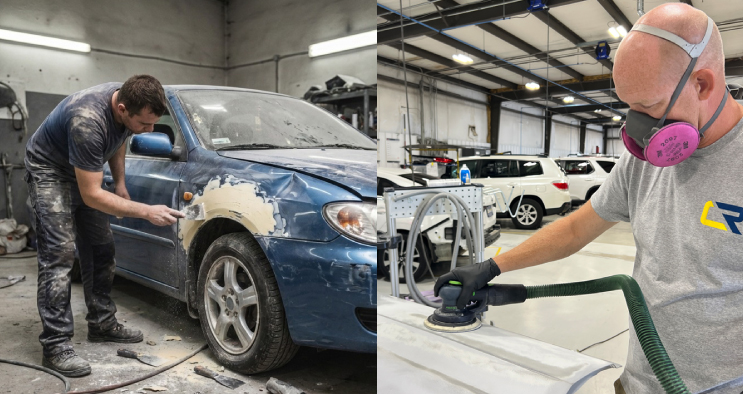
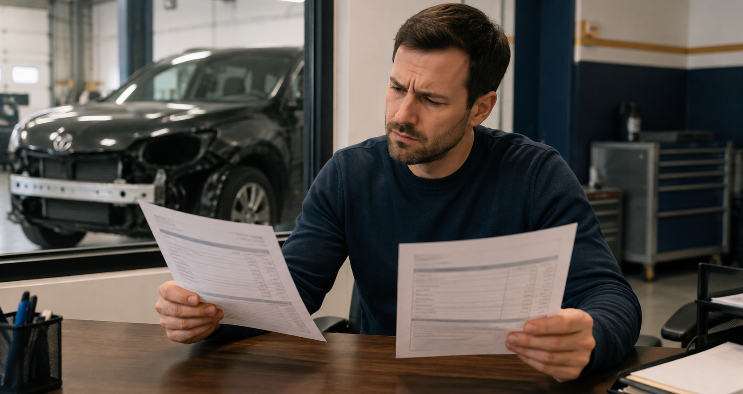
When your car needs repairs, the options can feel overwhelming. After an accident, most people just want their vehicle back quickly so they can move on. That urgency is precisely what many quick-fix body shops rely on. Promises of low prices and fast turnaround times can feel reassuring in a stressful moment, but they often hide what is really happening beneath the surface of the repair. While affordable repairs may seem appealing, cutting corners in collision repair often makes the cheapest option the most expensive mistake. Vehicles repaired at non-certified shops are more likely to experience repeat structural issues, and poorly executed repairs can reduce resale value by thousands of dollars. What begins as a $2,000 “deal” can easily grow into $8,000 or more in corrective work, not to mention the far greater cost of compromised safety.
Modern vehicles are no longer just metal and paint. They are highly engineered machines that demand precision. A quick patch job might look fine from a distance, but underneath it is often held together with substandard materials, incorrect parts, and rushed artistry. Certified repair facilities take a different approach. They follow manufacturer-approved procedures, use proper parts, and ensure safety systems are restored exactly as designed. This process takes slightly longer but prioritizes performance, durability, and protection. In this article, we will explore why choosing a reputable, certified repair shop is an investment in your vehicle’s safety, value, and long-term performance.
The True Cost of Quick Fix Repairs
Quick-fix repairs refer to rushed auto body work at low-cost shops that prioritize speed and affordability over thoroughness, often using generic parts, minimal structural checks, and basic cosmetic touch-ups to get vehicles back on the road in 24-48 hours. At the same time, the upfront cost may range from $800 to $1,500, which can feel like a relief after an already stressful event, but the long-term financial and safety toll quickly erases those savings. One of the most common issues with quick auto body repair is the use of aftermarket or salvaged parts that do not meet original manufacturer specifications. While these components may fit, they often lack the durability, crash-test performance, and engineering standards of OEM parts designed specifically for your vehicle. This can lead to premature wear and tear, frequent breakdowns, and even voided warranties.
Additionally, quick-fix shops often skip critical steps in the repair process, such as recalibrating advanced safety systems or addressing hidden structural damage. Modern vehicles rely heavily on these integrated systems, and improper restoration can compromise the car’s performance in a future collision.
The long-term cost of quick-fix collision repair often includes the following –
- Repeat repairs and corrective work that exceed the original savings
- Reduced resale value due to improper repair history
- Voided manufacturer warranties from non-compliant parts
- Hidden structural damage that weakens crash protection
- Malfunctioning safety systems that increase risk in future accidents
What seems like a budget-friendly repair today can quietly turn into a much larger financial and safety burden down the road.
Red Flags and Tips for Spotting Reliable Shops
After an accident, the following steps can feel overwhelming. Between insurance calls, repair estimates, and getting back to your routine, it is easy to rush the decision. However, choosing the right auto body shop service is one of the most essential parts of the recovery process. The wrong choice can lead to ongoing problems, unexpected costs, and safety concerns that surface long after you leave the repair bay. Not every collision repair shop operates with the same standards. Some prioritize speed and volume over careful artistry, leaving subtle warning signs that many drivers overlook. At the same time, reliable auto body shops make their professionalism clear. They communicate openly, explain their repair process, and stand behind their work. Understanding the difference between unreliable repair practices and quality collision repair ensures your vehicle is restored safely, correctly, and with long-term performance in mind.
Key red flags are discussed below:
– Lack of Certifications:
If a shop does not display I-CAR Gold Class, ASE, or OEM certifications, it may signal untrained techs and outdated equipment. These credentials show technicians receive ongoing education in modern vehicle repair, structural restoration, and safety system calibration.
– Unrealistically Low Repair Estimates:
An unusually cheap collision repair estimate often means shortcuts in labor, materials, or parts. Quality auto body repair requires proper time, equipment, and manufacturer-approved components.
– Vague or No Written Estimate:
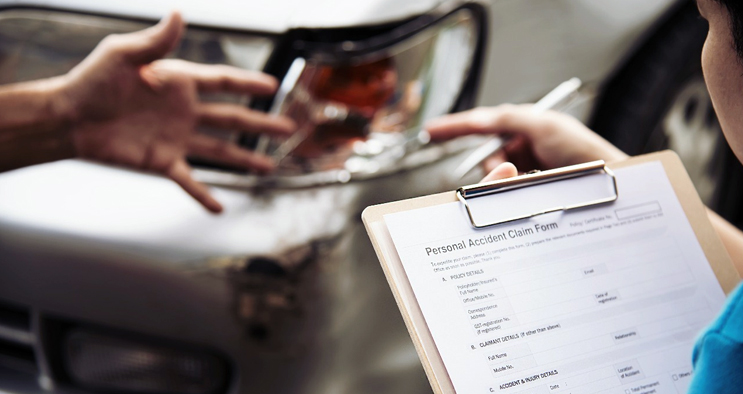
A reputable shop provides a detailed written estimate outlining labor, parts, and repair procedures. If pricing is unclear or only discussed verbally, transparency may be lacking.
– Pushy Sales Tactics:
High-pressure tactics or urgency that feels forced can be a warning sign. Trustworthy repair shops focus on explaining the process rather than rushing you into a decision.
– Bad or Inconsistent Reviews:
A pattern of complaints about poor artistry, delays, or unresolved issues should not be ignored. Consistent, detailed reviews often reveal how a shop honestly operates.
– No Clear Warranty Policy:
Reliable collision repair facilities stand behind their work with clear warranty policies and are transparent about the use of OEM or manufacturer-approved parts.
– Poor facility conditions:
A disorganized or poorly maintained repair facility can reflect a lack of professionalism. Clean, well-equipped shops typically indicate structured processes and attention to detail.
Some practical tips for spotting and choosing a Reliable Shop:
– Ask for References and Read Reviews:
Check Google, Yelp, and other review platforms for consistent patterns. Occasional negative feedback is regular, but repeated complaints about poor artistry, unresolved issues, or repeated repairs should raise concern.
– Confirm Insurance Relationships:
Verify whether they work with your insurance provider. Many good shops are “direct repair” for major insurers, meaning smoother claims and often guaranteed work.
– Ask About Warranties:
Reliable shops stand behind their repairs with clear, written warranty policies. Lifetime guarantees on structural repairs are often a sign of confidence and accountability.
– Get Multiple Estimates:
Comparing two or three detailed collision repair estimates gives you a clearer understanding of fair pricing. Trustworthy shops provide transparent, itemized quotes and are willing to explain the repair process.
– Visit the facility:
A quick visit can reveal a lot. Look for a clean, organized shop equipped with modern tools, such as computerized measuring systems, and certified welders trained to work with today’s advanced vehicle materials.
The Value of Quality-Certified Repairs
Quality-certified repairs offer significant advantages that go far beyond just fixing visible damage. A certified repair facility is committed to following established industry standards and manufacturer guidelines, ensuring that your vehicle is returned as close as possible to its pre-accident condition. The goal is not just to make the car look good, but to restore its performance, protection, and on-road functionality. Certifications such as I-CAR Gold Class and OEM approvals confirm that the shop employs factory-trained technicians, advanced equipment, including 3D measuring systems, and aluminum-certified welding tools, and adheres strictly to manufacturer-specified repair procedures. These standards ensure that hidden aspects of the repair are addressed with equal care. This includes precise structural realignment, comprehensive diagnostics, and accurate recalibration of advanced driver-assistance systems (ADAS), including cameras, radar sensors, and integrated safety technologies. Certified shops use factory-approved or equivalent parts and follow exact protocols to preserve the vehicle’s structural integrity, crash performance, handling dynamics, and safety features. To see a clear, real-world demonstration of why this matters, especially when deciding between repairing and replacing critical components, check out this short video that simply and effectively shows the key differences in outcomes when repairs are done properly versus when shortcuts are taken in situations where it truly counts for safety and durability.
In addition to enhanced reliability, certified repairs deliver clear, practical advantages: lifetime warranties for artistry, streamlined insurance claim processing, and greater resale value backed by documented, high-quality inspections. Ultimately, choosing quality-certified repairs is an investment in more than just your vehicle. It safeguards your safety, protects your financial stake, and ensures dependable, long-term performance.
How Collision Restoration Stands Out
Collision Restoration elevates certified repairs through its unwavering commitment to excellence. With elite I-CAR Gold Class certification and deep OEM partnerships, they distinguish themselves while delivering unmatched collision repair services. Their team of ASE-certified technicians provides lifetime warranties on all structural repairs, direct billing with major insurers for hassle-free claims, and a customer-centric process that includes detailed progress updates. What truly sets them apart is their focus on complete vehicle restoration. They address hidden damage that is often overlooked elsewhere, including suspension realignments and full ADAS recalibrations. With a spotless reputation for on-time deliveries and transparent pricing, Collision Restoration transforms the aftermath of an accident into like-new performance. This makes them the trusted choice for those who prioritize safety and long-term value over shortcuts.
Conclusion
From improper repairs to the use of low-quality materials, the risks of choosing the wrong repair shop go far beyond cosmetic concerns. Whether it is a minor scratch or a major collision, ensuring your vehicle is repaired correctly is essential to its longevity and your peace of mind. Quick fixes promise convenience but deliver risk. They may offer fast solutions, but the shortcuts they take can compromise your car’s structural integrity, advanced safety and navigational systems, and overall reliability. When it comes to something as important as your safety, there’s no room for compromise. Certified repair facilities stand apart by upholding the highest standards of quality, safety, and precision. By following manufacturer guidelines and using OEM parts, they ensure your vehicle is restored to its pre-accident condition both inside and out. This level of care not only protects your investment but also provides the confidence you need to get back on the road.
At Collision Restoration, quality isn’t just part of what we do; it’s our priority. Our certified technicians, transparent processes, and commitment to excellence set us apart as a trusted industry leader. So, don’t let accident stress lead you to a shortcut. Instead, partner with a shop that puts safety and excellence first. Contact Collision Restoration today for your free estimate and take the first step toward a safe, reliable repair.
Aaron Colburn
Aaron Colburn is the founder and owner of Collision Restoration. With extensive experience as a technician, estimator, and general manager in the collision repair industry, Aaron established the company in 2022 to deliver top-tier auto repairs rooted in honesty, transparency, and personalized customer service. His passion for craftsmanship and commitment to excellence drive every aspect of the business, ensuring a stress-free experience for clients across Indiana.
Categories
- Accident Recovery (3)
- Auto Maintenance and Car Care (1)
- Auto Parts Guide (1)
- Auto Repair Tips (1)
- Car Care & Maintenance (1)
- Collision Repair Standards (2)
- Consumer Rights (2)
- Industry News & Trends (1)
- Paintless Dent Repair (1)
- Vehicle Safety & Structural Integrity (2)
- Vehicle Technology and Repair (2)
- Warranty & Peace of Mind (1)