


Why Bumper Damage Is Often More Serious Than It Looks
Vehicle Safety & Structural Integrity
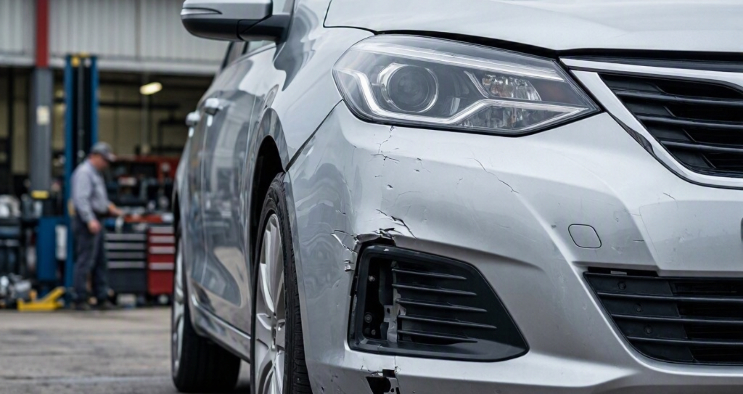
Vehicle bumpers have evolved significantly over the past two decades. What was once a relatively simple component is now an integrated system consisting of energy absorbers, reinforcement structures, mounting hardware, and electronic sensors. As a result, evaluating bumper damage after a collision has become far more complex than assessing visible dents or scratches. Even seemingly minor impacts can affect components hidden beneath the bumper cover, potentially compromising structural protection, disrupting advanced driver assistance systems (ADAS), or leading to more extensive repairs if left unaddressed. Because many of these issues are not immediately apparent, drivers may underestimate the significance of hidden bumper damage and delay having it properly evaluated. This guide explains the true role of modern bumpers, the hidden consequences of seemingly minor damage, and why prompt, professional evaluation is critical to maintaining both vehicle safety and performance.
The Engineering Behind Your Vehicle’s Bumper
Modern bumpers are the result of sophisticated engineering designed to do far more than enhance a vehicle’s appearance. What many drivers perceive as a simple plastic panel is actually a carefully integrated system built to manage collision forces, protect structural components, and support the advanced technologies found in today’s vehicles.
The Layers of a Modern Bumper
A bumper is not one piece. It is a system made up of several components working together:
Fascia (Bumper Cover): The visible outer shell that gives the vehicle its finished appearance. Its flexible design can sometimes mask damage to the components beneath it.
Energy Absorber: Commonly made from foam or honeycomb materials, this layer helps absorb and dissipate impact energy during low-speed collisions.
Reinforcement Bar: A steel or aluminum beam engineered to provide structural strength and help shield the vehicle’s frame from damage.
Mounting Brackets and Hardware: These components secure the bumper assembly and maintain proper alignment with surrounding body panels.
Sensors and Electronics: Many modern bumpers house parking sensors, radar modules, cameras, and wiring that support advanced driver assistance systems (ADAS).
When any part of this system fails, the whole system is compromised. A cracked cover might seem small, but if the reinforcement bar behind it is bent, your car will not absorb impact correctly in the next collision.
How Minor Impacts Can Lead to Major Damage
One of the biggest misconceptions about bumper damage assessment is that the severity of the damage is always visible. A bumper with a small scratch, slight dent, or minor scuff may appear to have escaped a collision relatively unscathed. However, modern bumpers are engineered to absorb and manage impact forces, and the components beneath the surface often bear the brunt of the damage.
Hidden Damage Beneath the Surface
The flexible bumper cover, or fascia, can sometimes return to its original shape after an impact, creating the impression that little or no damage has occurred. In reality, the components beneath it may already have absorbed the force of the collision.
Even a low-speed impact can damage critical parts of the bumper system, including:
Energy absorbers that may no longer provide the same level of protection in a future collision
Reinforcement bars that can bend and reduce structural support
Mounting brackets and clips that can break, causing the bumper to become loose or misaligned
Wiring and electrical connections that can affect integrated vehicle systems
Parking sensors, radar modules, and other ADAS components that can be knocked out of alignment or stop functioning properly
Because this type of damage is not always visible from the outside, what appears to be a minor cosmetic issue may actually require more extensive collision repairs to restore your vehicle’s safety and performance. According to the Insurance Institute for Highway Safety (IIHS), front and rear collisions continue to be among the most common areas of vehicle damage. An analysis of more than 7.3 million collision repair estimates from 2022 found that bumper-related impacts account for a significant portion of repair activity, underscoring how frequently these seemingly minor incidents occur.
Why Hidden Damage Matters
The consequences of hidden bumper damage extend beyond appearance. Components that have absorbed impact energy may no longer provide the same level of protection in a subsequent collision. At the same time, damage to bumper-mounted sensors can affect the performance of technologies drivers rely on every day. Many modern vehicles house radar sensors, parking assist systems, and other advanced driver assistance systems (ADAS) within the bumper assembly. The National Highway Traffic Safety Administration (NHTSA) continues to monitor the real-world performance of these technologies through its Standing General Order on crash reporting involving ADAS-equipped vehicles, highlighting the growing role these systems play in vehicle safety. Following even a low-speed impact, these components should be inspected to verify they remain properly aligned and functioning as intended.
The Cost of Waiting
Delaying repairs can also have financial consequences. What begins as a seemingly minor bumper repair cost can become more extensive if hidden damage is left unaddressed. A 2022 Claims Journal report on collision repair costs found that overall repair expenses increased by 10.9% compared to the previous year, driven in part by rising parts prices and the increasing complexity of modern vehicles and their integrated technologies. In many cases, identifying and addressing concealed damage early can help prevent more costly repairs down the road.
Warning Signs Your Bumper Damage Needs Professional Attention
Not all bumper damage is immediately visible. Even after a minor collision, hidden issues can develop over time. If you notice any of the following warning signs, it is worth having your vehicle professionally inspected.
Uneven Gaps or Misalignment: If your bumper no longer sits flush with the surrounding body panels, internal brackets or mounting points may have been damaged. A bumper that sags or shifts out of place may not provide the protection it was designed to deliver.
A Loose or “Popping Out” Bumper: A bumper that feels loose, is partially detached, or repeatedly pops out of place often indicates broken clips, damaged mounts, or hidden structural damage that requires attention.
Cracks That Continue to Spread: Small cracks can worsen over time due to temperature changes, moisture, and everyday road vibrations. Expanding cracks may indicate stress within the bumper assembly rather than simple cosmetic damage.
Unusual Noises While Driving: Rattling, clicking, or rubbing sounds from the front or rear of the vehicle can signal loose bumper components or damaged hardware that shifted during the impact.
Dashboard Warning Lights or Sensor Problems: If parking sensors, collision warning systems, or other ADAS features stop working properly or trigger warning lights after an accident, bumper-mounted sensors or wiring may have been damaged or knocked out of alignment.
If you notice any of these warning signs after a collision, scheduling a professional bumper inspection is the safest course of action. At Collision Restoration, our technicians perform comprehensive inspections and diagnostic testing to identify hidden damage, evaluate bumper-mounted safety systems, and recommend the appropriate repairs to restore your vehicle’s safety and performance.
What Happens During a Professional Bumper Inspection?
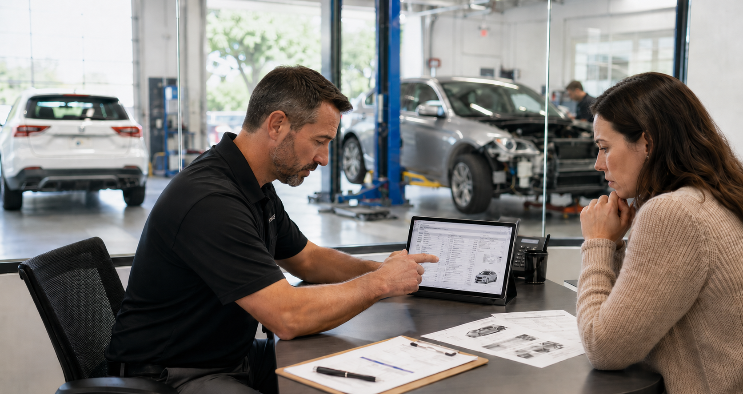
A professional bumper inspection involves much more than checking for visible dents or scratches. Because hidden damage is common after even minor collisions, technicians follow a thorough process to identify structural issues, evaluate safety systems, and determine the appropriate repairs.
Visual and Physical Assessment
The inspection begins with a close examination of the bumper cover and surrounding panels. Technicians look for cracks, dents, paint transfer, uneven gaps, and signs of misalignment. The bumper may also be gently tested for looseness or unusual movement that could indicate damaged mounting hardware.
Inspecting What Lies Beneath
To uncover hidden damage, the bumper cover is removed so the underlying components can be inspected. This allows technicians to evaluate the energy absorber, reinforcement bar, mounting brackets, and sensor mounts for signs of impact-related bumper damage that would not be visible from the outside.
Structural and Electronic Checks
Technicians assess the bumper assembly for bent or damaged components and inspect wiring, sensors, and electronic connections. For vehicles equipped with advanced driver assistance systems (ADAS), diagnostic scans are performed to identify fault codes and verify that bumper-mounted technologies are functioning properly. If necessary, sensors are recalibrated in accordance with the manufacturer’s calibration specifications.
Repair and Final Verification
Once the damage has been identified, damaged components are repaired or replaced using manufacturer-approved repair procedures. After reassembly, the bumper is properly aligned, and the vehicle undergoes final checks to confirm that all systems are operating as intended. At Collision Restoration, this comprehensive approach helps ensure that hidden damage is not overlooked and that your vehicle is restored as closely as possible to factory standards.
What People Usually Ask About Bumper Damage
How do I know if my bumper damage is just cosmetic?
If the bumper cover has a small scratch or scuff but sits evenly with no gaps, sagging, or warning lights, the damage is likely cosmetic. However, you should still get a professional bumper inspection because hidden damage to the reinforcement bar or crash box can exist even when the cover looks fine. A technician can remove the cover and check internal components to confirm.
Can you drive with a damaged bumper?
You can often drive with a damaged bumper if the car is otherwise safe and the damage is only cosmetic. However, if the bumper is loose, dragging, or interfering with lights or sensors, it is best to have it inspected right away. Driving with hidden structural or sensor damage can put you and others at risk, especially if your safety systems are affected.
How do I know if my bumper needs repair or replacement?
If your bumper has cracks, deep dents, misalignment, or is causing warning lights to appear on your dashboard, it likely needs professional attention. A technician can determine whether a repair is possible or if bumper replacement is necessary by removing the cover and inspecting the internal components. Sometimes, what looks like a minor issue on the outside can require a full replacement if the underlying structure is compromised.
Does bumper damage affect safety features like sensors or airbags?
Bumper damage can definitely impact safety features, especially in modern vehicles equipped with sensors and cameras for parking assist, collision warning, and other ADAS functions. If these components are misaligned or damaged, your vehicle’s safety systems may not function properly. While airbags are usually triggered by sensors elsewhere, bumper damage can still affect the systems that help prevent accidents in the first place.
How much does it cost to repair or replace a bumper?
The cost to repair or replace a bumper varies widely depending on the extent of the damage, the type of vehicle, and whether advanced sensors or cameras are involved. According to a Claims Journal analysis of collision repair trends, overall repair costs increased by 10.9% in 2022 due to rising parts prices and vehicle complexity. It is not uncommon for bumper repairs to exceed $1,000, especially if hidden damage or sensor recalibration is required.
Conclusion
Bumper damage is not always as straightforward as it appears. What may look like a minor crack, scuff, or alignment issue on the surface can conceal damage to the components designed to protect your vehicle and support its safety technologies. Because modern bumper systems are engineered to absorb impact and integrate features such as sensors and cameras, even low-speed collisions deserve careful evaluation. The good news is that hidden damage can often be identified and addressed before it leads to more extensive repairs or compromises the performance of your vehicle’s safety systems. A professional bumper inspection provides the clarity needed to determine the true extent of the damage and ensure repairs are completed according to manufacturer standards. At Collision Restoration, our technicians use OEM-approved repair procedures, advanced diagnostic tools, and manufacturer-recommended calibration equipment to restore bumper systems as safely and accurately as possible. With five locations across Indiana and free collision repair estimates available, we are here to help you make informed decisions after a collision. To schedule an inspection or request an estimate, visit autocollisionrestoration.com.
Categories
- Accident Recovery (3)
- Auto Maintenance and Car Care (1)
- Auto Parts Guide (1)
- Auto Repair Tips (1)
- Car Care & Maintenance (1)
- Collision Repair Standards (2)
- Consumer Rights (2)
- Industry News & Trends (1)
- Paintless Dent Repair (1)
- Vehicle Safety & Structural Integrity (2)
- Vehicle Technology and Repair (2)
- Warranty & Peace of Mind (1)