

How Direct Repair Programs Work: From Insurance Estimate to Completed Repair
Collision Repair Standards & Consumer Rights
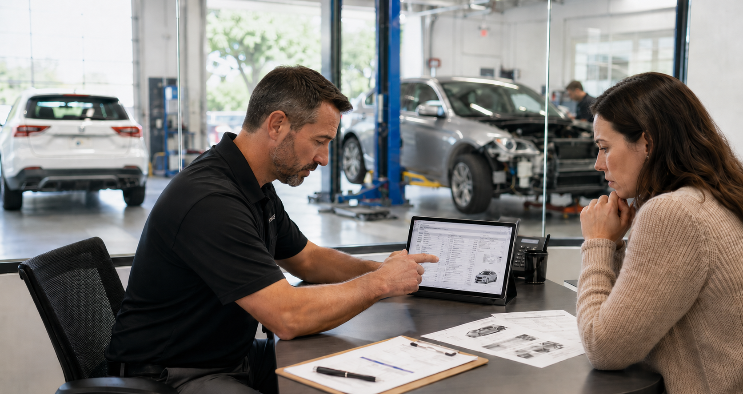
Before technicians remove damaged components, they perform diagnostic scans, take structural measurements, or research manufacturer repair information; they work with limited evidence. A bumper cover can conceal a bent reinforcement. A damaged panel can hide wiring problems, sensor brackets, or structural movement. As the repair progresses, more of the vehicle’s condition becomes clear. This article explains how Direct Repair Programs, commonly called DRPs, work, why insurance estimates often change after disassembly, how supplemental damage is documented, and what Indiana drivers should expect throughout the collision repair process. So, a Direct Repair Program is an insurer-approved network of repair facilities with established procedures for managing estimates, documentation, supplements, communication, billing, and payment. A DRP can organize the insurance claim, but it does not replace a complete vehicle inspection or guarantee the quality of the repair.
What Is a Direct Repair Program?
It’s like a business relationship between an insurance company and a participating collision repair facility. The Insurance Information Institute describes a DRP as a network of auto repair shops and dealerships approved by an insurer. When a vehicle owner selects a participating shop, the insurer and facility can use established systems to exchange claim information and repair documentation.
Depending on the agreement, a DRP may set expectations for:
- How quickly the repair facility contacts the customer
- How estimates and vehicle photographs are submitted
- Which estimating platform or documentation process is used
- How additional damage is reported through supplements
- How repair progress and completion dates are communicated
- How invoices, payments, warranties, and customer concerns are handled
These procedures can make claim administration more consistent. However, DRP participation and repair capability are separate considerations. A network relationship does not automatically prove that a shop has manufacturer certifications, trained technicians, modern equipment, or the ability to follow current OEM repair procedures.
What Happens After the Initial Insurance Estimate?
Receiving an estimate does not mean every repair operation has already been identified. The estimate creates a starting point for the claim. The repair facility must still inspect the vehicle, verify the visible damage, confirm the vehicle’s options and construction, and determine what additional steps are needed to create a complete repair plan.
1. The Claim Is Reported
The process begins when the vehicle owner reports the loss. The insurer collects information about the accident, the vehicle, the policy, and the visible damage. The insurer may prepare an estimate from photographs or arrange an in-person inspection.
2. The Vehicle Owner Selects a Repair Facility
If the owner chooses a DRP facility, the insurer can often send the claim number, vehicle details, estimate, and available photographs directly to the shop. Owners may also select a repair facility outside the network and should ask the insurer how documentation and payment will be handled.
3. The Repair Facility Inspects the Vehicle
The shop performs its own inspection to confirm visible damage and identify factors that could affect the repair. These factors may include aluminum construction, hybrid or electric vehicle components, ADAS sensors, structural materials, and manufacturer-specific repair restrictions.
4. Disassembly Reveals the Full Damage
After authorization, technicians may perform a controlled disassembly. Removing damaged exterior parts provides access to areas that could not be evaluated during the first inspection. This is when hidden collision damage often becomes visible.
5. The Repair Plan Is Updated
If the shop identifies additional damage or manufacturer-required operations, it documents the findings and submits a supplement to the insurer. Once the necessary information is reviewed, the estimate and repair plan can be updated before the affected work continues.
Why Can a Collision Repair Estimate Change?
An initial estimate is based on the information available at that moment. It may accurately list the visible damage without capturing every damaged part or required procedure. This is especially common when impact damage extends behind bumpers, doors, fenders, quarter panels, or interior trim.
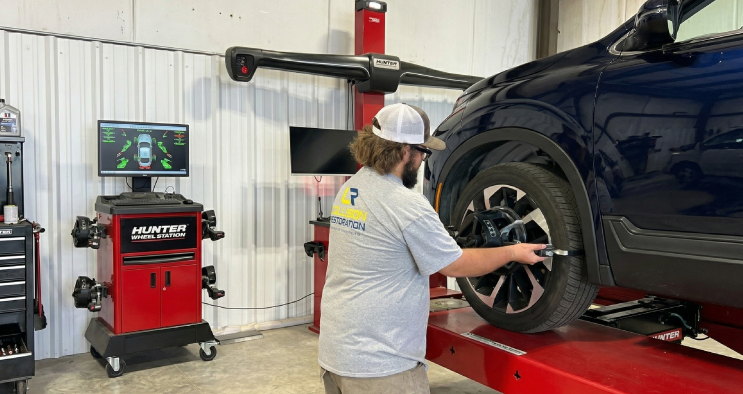
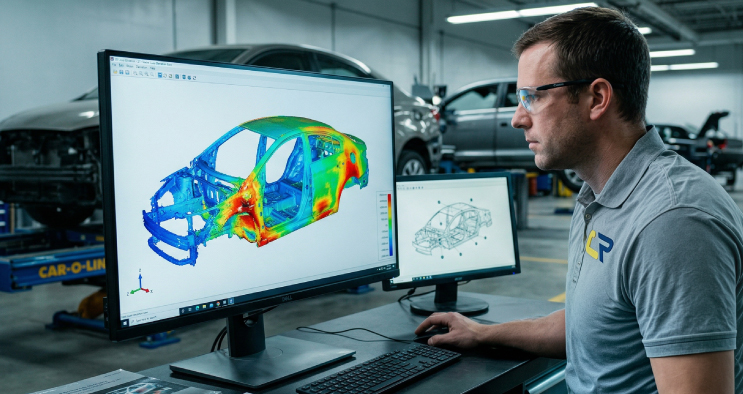
Disassembly can reveal bent reinforcements, damaged mounting points, broken clips, wiring concerns, suspension movement, and displaced sensor brackets. Technicians may also need to perform diagnostic scans or structural measurements to find problems that cannot be confirmed through a visual inspection alone.
The repair facility must also research the vehicle manufacturer’s procedures. Depending on the model and damage, the repair may require specialized welding, corrosion protection, seam sealing, one-time-use fasteners, pre-repair and post-repair scans, or ADAS calibration. Two vehicles with similar-looking exterior damage may therefore require very different parts, labor, and repair timelines.
A higher final estimate does not automatically mean unnecessary work was added. It may reflect verified damage and safety-related operations that could only be identified after the vehicle was thoroughly inspected.
What Is a Collision Repair Supplement?
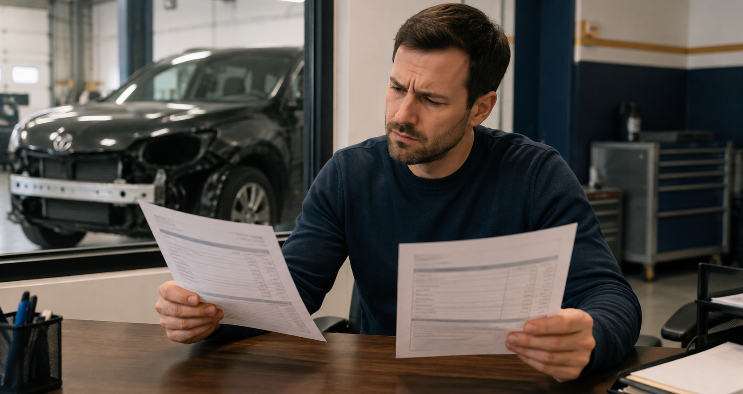
A collision repair supplement is a documented revision to the original estimate. It accounts for damage, parts, labor, or manufacturer-required operations that could not reasonably be confirmed during the initial inspection.
A supplement may include:
- Updated estimate line items and labor operations
- Photographs of damage uncovered during disassembly
- Part numbers, pricing, and availability information
- Diagnostic scan results or structural measurements
- Manufacturer repair procedures supporting the requested work
- Calibration, sublet, or specialized service documentation
The insurer reviews the submission and may approve the additional work, request more information, negotiate a line item, or conduct another inspection. This review can affect the schedule, particularly when the repair also requires additional parts, outside services, or calibration appointments.
Supplements are increasingly relevant as vehicle technology becomes more complex. The CCC Intelligent Solutions Q2 2025 Crash Course report found that 86.8 percent of repairable DRP appraisals in the first quarter of 2025 included a diagnostic scan, while 31.7 percent included a calibration. The report also found that 55.5 percent of calibrations first appeared on a supplement instead of the initial estimate.
Who Makes Decisions During a DRP Repair?
A Direct Repair Program creates a process for communication, but the insurer, repair facility, and vehicle owner have different responsibilities.
The Insurance Company’s Role
The insurer reviews the loss, applies the terms of the policy, evaluates estimates and supplements, and determines which costs are covered. Coverage decisions belong to the insurer and may depend on the policy, deductible, limits, exclusions, and circumstances of the claim.
The Repair Facility’s Role
The repair facility inspects the vehicle, identifies damage, researches repair requirements, develops the repair plan, and documents the work needed to restore the vehicle. The shop is also responsible for performing authorized repairs according to its procedures and capabilities.
The Vehicle Owner’s Role
The owner selects the repair facility, authorizes the work, and asks questions about parts, procedures, timing, and costs. Clear communication among all three parties helps reduce confusion when additional damage or repair requirements are discovered.
Do Indiana Drivers Have to Use an Insurance Company’s DRP Shop?
No. The Insurance Information Institute’s DRP guide states that consumers may choose their own auto body repair shop and are not required to use an insurer’s Direct Repair Program. An insurer may recommend a network facility, but the owner can evaluate the available options.
Before choosing, ask how the decision could affect claim communication, direct payment, estimate review, updates, or warranty administration. The ability to choose a shop does not mean every requested cost will automatically be covered. Policy terms and insurer review still apply.
Indiana law also provides certain protections related to replacement body parts. Indiana Code 27-4-1.5-8 requires a qualifying insurer to provide written notice and an opportunity for the insured to approve the type of body parts used for certain exterior repairs during the five years after the vehicle’s model year.
This article provides general educational information and is not legal advice or a statement of coverage. Review your policy and direct specific coverage questions to your insurer.
What a Direct Repair Program Can and Cannot Provide
Established procedures can simplify administrative parts of a claim. Claim assignments, estimate reviews, supplement submissions, repair updates, billing, and payment communication may move more efficiently when the insurer and repair facility already use compatible systems. Some programs may also offer direct payment arrangements, defined update schedules, or network warranty processes. The exact benefits vary by insurer and facility, so drivers should ask what applies to their claim.
Also, a DRP relationship alone cannot guarantee repair quality, eliminate hidden damage, ensure parts are immediately available, or prevent the estimate from changing. It also does not mean the facility holds an OEM certification. Modern repairs may involve structural work, scanning, calibration, specialized tools, and manufacturer-specific procedures. The shop’s training, equipment, documentation, and quality controls remain important regardless of its insurer relationships.
How to Choose a Qualified Collision Repair Facility
When comparing repair shops, look beyond network participation. Ask whether the facility:
- Uses current vehicle-specific repair information
- Employs trained technicians and maintains appropriate equipment
- Can perform or arrange required scans, measurements, and calibrations
- Documents parts, repair operations, and supplemental damage clearly
- Provides consistent updates and a written repair warranty
Collision Restoration is a family-owned Indiana collision repair company serving drivers through locations in Zionsville, Westfield, Noblesville, and Pendleton. Its website states that its technicians are OEM and I-CAR certified, it works with all major insurance providers, and qualifying repairs include a lifetime warranty covering labor and paint. Drivers can review its collision repair services or find a nearby Indiana location.
Frequently Asked Questions About Direct Repair Programs
What does DRP mean in collision repair?
DRP means Direct Repair Program. It is an insurer-approved network of repair facilities with established procedures for estimates, documentation, supplements, communication, billing, and payment.
Does a DRP shop work for the insurance company?
A participating shop has a contractual relationship with the insurer, but it is not the insurer’s employee. The facility remains responsible for inspecting the vehicle, developing the repair plan, documenting the work, and performing authorized repairs.
Does a supplement mean the first estimate was wrong?
Not necessarily. The first estimate can accurately describe visible damage while a supplement documents hidden damage or required operations that could not be confirmed until after disassembly, scanning, measuring, or procedure research.
Will using a DRP shop repair faster?
Established communication can streamline parts of the claim. However, the total repair time still depends on damage severity, parts availability, insurer review, structural work, outside services, scans, and calibrations.
Does DRP status mean a repair shop is OEM certified?
No. DRP participation concerns the insurer relationship and claim administration. OEM certification is a separate qualification that may require manufacturer-approved training, tools, equipment, facility standards, and repair processes.
Conclusion
Your insurance estimate may be accurate. It may also be incomplete. Both statements can be true because an initial estimate is generally based on the damage that can be seen before the vehicle is fully inspected and disassembled. A Direct Repair Program can create a more organized path between an insurer and a repair facility, but it is only one part of a complete repair. The outcome depends on a thorough inspection, accurate documentation, current repair information, qualified technicians, and clear communication. For vehicle owners, the most important step is understanding what happens beyond the initial estimate. A complete repair plan must account for visible damage, hidden conditions, diagnostic findings, vehicle construction, and required manufacturer procedures. If your vehicle has been involved in a collision and you want help understanding the damage or the next steps with your claim, request a free online estimate from Collision Restoration.
Categories
- Accident Recovery (3)
- Auto Maintenance and Car Care (1)
- Auto Parts Guide (1)
- Auto Repair Tips (1)
- Car Care & Maintenance (1)
- Collision Repair Standards (2)
- Consumer Rights (2)
- Industry News & Trends (1)
- Paintless Dent Repair (1)
- Vehicle Safety & Structural Integrity (2)
- Vehicle Technology and Repair (2)
- Warranty & Peace of Mind (1)