

Why Vehicle Repair Estimates Can Differ: What You Should Know
Accident Recovery
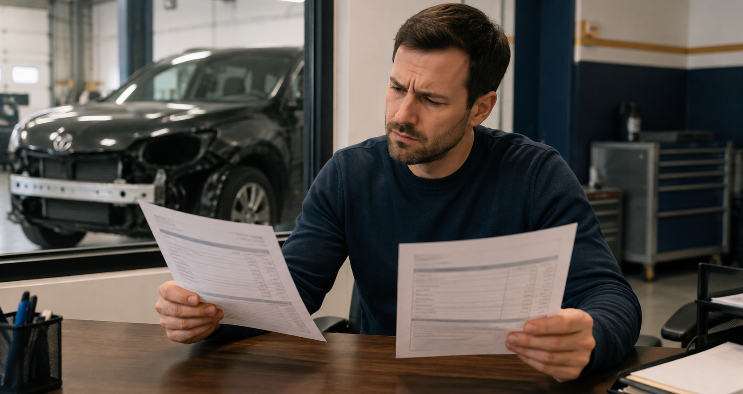
Collision damage is not always apparent from the outside. A damaged bumper, fender, or quarter panel can conceal damage to components behind it, while some issues cannot be confirmed until the vehicle is disassembled. Parts selection, labor operations, manufacturer repair procedures, and vehicle-specific diagnostic requirements can also affect the repair scope. That makes comparing estimates more complicated than choosing the lower number. To evaluate a collision repair estimate properly, you need to understand what each estimate includes, how the damage was assessed, and whether the proposed repair addresses the vehicle’s actual repair needs.
Why Two Collision Repair Estimates Can Be Different
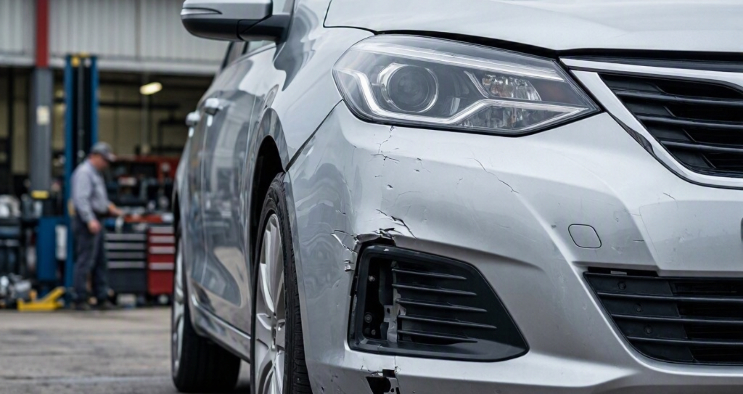
A collision repair estimate documents the repairs believed to be necessary based on the vehicle’s condition at the time of inspection. It can include parts, labor, refinishing, structural work, mechanical repairs, diagnostics, and other vehicle-specific procedures. The estimate is therefore shaped by the information available to the estimator at that point. For example, two shops may inspect a vehicle with front-end damage and reach different conclusions about which components require replacement or repair. One may identify damage to the bumper cover and headlamp, while another may identify additional damage to mounting components or parts behind the bumper. The difference is not necessarily one shop charging more for identical work. The repair scopes may simply be different. That is why the number at the bottom of an estimate doesn’t tell the whole story. Before deciding which estimate seems more reasonable, it helps to understand how the repair scope was developed.
An Initial Inspection Does Not Reveal Everything
The first inspection provides an important starting point, but it does not always provide complete access to the vehicle’s damaged areas. Much of a collision-damaged vehicle remains assembled during an initial inspection, so an estimator may document visible damage without confirming the condition of components hidden behind damaged panels. According to I-CAR’s guidance on damage inspection, disassembly and blueprinting, a complete damage inspection may require additional access or disassembly to locate hidden damage. I-CAR describes repair blueprinting as a process for developing a more complete and accurate damage report before repairs begin. That distinction helps explain why an initial collision estimate can change later without the original assessment necessarily being improper. The estimate reflects what could reasonably be established at that stage of the repair process.
What Disassembly Can Reveal
Disassembly often makes the difference between visible damage and actual repair needs clearer. Removing bolt-on components such as bumpers, fenders, and doors can expose damage that cannot be identified while those parts remain installed. This can include damaged brackets, reinforcements, mounting points, fasteners, or components located behind the visible impact area. Indirect damage can also be less obvious. In one documented example, I-CAR explains how a bumper impact caused a fastener to pierce a headlamp assembly, with the damage becoming apparent only after the headlamp was removed. Examples like this show that the component with the most visible damage is not necessarily the only component affected. Disassembly does not simply add work to an estimate. It can provide the information needed to determine what work the vehicle actually requires.
Why a Collision Estimate May Increase After Disassembly
When previously hidden damage is identified, the repair plan may need to be updated through a supplemental estimate. A supplement accounts for repair operations or parts that could not reasonably be identified during the initial inspection because the affected area was not yet accessible. For example, a technician may remove a damaged exterior panel and discover damage to wiring, brackets, or another component underneath it. That finding changes the repair scope because the newly identified damage must now be addressed. A revised estimate in this situation does not automatically mean the original estimate was poorly prepared. Sometimes the necessary information simply isn’t available until the vehicle is partially disassembled. What matters is how the additional damage is documented and incorporated into the repair plan. A professional repair facility should be able to explain what was discovered, why it affects the repair, and what additional work is required.
Modern Vehicles Require More Than a Visual Inspection
Modern vehicles add another layer to collision repair because cameras, radar sensors, and other electronic systems can be integrated into areas affected by a collision or the repair itself. Damage or misalignment involving these components is not always visible, and a vehicle may not immediately display an obvious warning when a system has been affected. The repair process therefore has to account for more than the damaged body panels. Depending on the vehicle and the areas affected, technicians may need to perform diagnostic scans, inspect sensor mounting points, or follow manufacturer-specific procedures to determine whether calibration or other post-repair operations are required. As we explained in our article, Why Modern Vehicles Are More Difficult to Repair Than Ever Before, today’s vehicles rely on interconnected electronic systems and advanced safety technologies that have fundamentally changed the collision repair process. This is also why two estimates may contain different diagnostic or calibration operations. The difference doesn’t necessarily mean one estimate is excessive; it may reflect the vehicle’s specific equipment, the areas affected by the collision, and the repair procedures needed to return those systems to proper operation.
Parts Can Also Change the Repair Estimate
Replacement parts are another reason collision repair estimates may differ. Depending on the vehicle and repair, an estimate may specify OEM, aftermarket, or recycled components, and these options should not be treated as identical simply because they serve the same basic purpose. NHTSA’s guidance on aftermarket replacement parts explains that federal regulations do not generally prohibit the use of aftermarket parts in vehicle repairs. In contrast, certain replacement equipment is subject to federal safety standards. NHTSA also addresses the responsibility to avoid making required safety equipment inoperative during a repair. For the vehicle owner, the important point is to look beyond the price of the individual part. The component type, its application to the vehicle, and the repair procedure used can all affect the overall repair plan.
Why an Insurance Estimate May Differ From a Shop’s Estimate
An insurance estimate and a collision repair shop’s estimate may differ because they can represent different stages of the damage-assessment process. An initial inspection may document damage that is visible or accessible at the time. At the same time, a collision center may identify additional damage after removing components and gaining access to areas that could not be fully inspected earlier. This is especially relevant when a vehicle requires disassembly before the full repair scope can be established. A difference between an insurance estimate and a shop’s estimate does not, by itself, establish that either one is wrong. The estimates may simply reflect different information available at different points in the process. When that happens, the most useful approach is to understand what changed and why. The difference may involve newly discovered damage, parts, labor operations, diagnostics, or other procedures required for the specific vehicle.
Is Getting a Second Collision Repair Estimate Worth It?
A second collision repair estimate can be useful when the first repair plan is unclear, the damage appears more extensive than initially reported, or two shops have reached substantially different conclusions. Another professional assessment can provide useful perspective on the vehicle’s condition and the proposed repair. It can also help clarify differences in the damage identified, parts specified, labor operations, diagnostic requirements, or repair procedures. However, a second opinion should help you understand the repair, not simply find the lowest number. A lower estimate may reflect a narrower repair scope rather than a lower price for identical work. If two estimates differ, understanding why is more valuable than choosing the cheaper one immediately.
How to Compare Car Accident Repair Estimates
When reviewing multiple collision repair estimates, focus on the details that determine the repair. Start with the damage scope: are the same components being addressed? Then look at the specified parts, labor operations, refinishing, and any structural or mechanical work included. The stage of inspection also matters. If one estimate was prepared after disassembly and the other was based primarily on visible damage, the two figures may not be directly comparable. Review diagnostic procedures where applicable, particularly when collision damage involves areas containing cameras, sensors, or other electronic systems. Finally, consider how the shop handles additional damage. A clear process for documenting newly discovered damage can help explain why the repair scope changes and what the revised estimate represents.
What to Look for in a Collision Repair Shop
A collision repair shop’s estimating process can tell you a great deal about how it approaches the repair itself. Look for a facility that combines trained technicians, appropriate equipment, and established collision repair procedures with a thorough damage-assessment process. At Collision Restoration, the estimate is treated as part of the repair process, not simply a dollar figure. The team evaluates the vehicle’s condition, considers damage that may not be immediately visible, and develops the repair plan around the vehicle’s specific requirements. That approach recognizes an important distinction in modern collision repair: restoring a vehicle involves more than correcting its appearance. The repair process must also account for affected components, vehicle systems, and applicable repair procedures. The result should be an estimate that reflects the vehicle’s condition and the work required to repair it properly.
Frequently Asked Questions
When is a collision repair estimate considered final?
A collision estimate may change when additional damage is discovered during disassembly or repairs. The initial estimate reflects the information available at the time of inspection, while newly identified damage may require updating the repair plan.
What is a supplemental collision repair estimate?
A supplemental estimate accounts for additional damage, parts, or repair operations identified after the original estimate was prepared. Supplements are often necessary when previously inaccessible areas become visible during disassembly.
Do all collision repairs require ADAS calibration?
No. Calibration requirements depend on the vehicle, the systems affected, and the applicable repair procedures. Some collisions may require diagnostic scanning, calibration, or other system checks, while others may not.
What information should a collision repair estimate include?
A collision repair estimate can include the identified damage, replacement parts, labor operations, refinishing, structural or mechanical work, and applicable diagnostic procedures. The exact scope depends on the vehicle and the damage found.
Why did my car accident repair estimate increase?
An estimate can increase when additional damage is discovered, new repair operations become necessary, or previously inaccessible components are found to require repair or replacement. This is one reason the initial estimate may not always represent the vehicle’s final repair scope.
Conclusion
A difference between two car accident repair estimates does not necessarily mean one shop is overcharging. In many cases, the figures reflect different assessments of the vehicle, different repair procedures, or different stages of the inspection. Two car accident repair estimates can differ for legitimate reasons, including hidden damage, inspection methods, parts, labor, and vehicle-specific repair requirements. A higher estimate isn’t automatically better, and a lower estimate isn’t necessarily more efficient. What matters is whether the repair plan accurately reflects the vehicle’s condition and the work required to restore it properly. Collision Restoration approaches estimating as part of that repair process, focusing on the vehicle’s actual damage and the procedures needed to address it. If your vehicle has been involved in an accident, request a free online estimate from Collision Restoration.
Categories
- Accident Recovery (3)
- Auto Maintenance and Car Care (1)
- Auto Parts Guide (1)
- Auto Repair Tips (1)
- Car Care & Maintenance (1)
- Collision Repair Standards (2)
- Consumer Rights (2)
- Industry News & Trends (1)
- Paintless Dent Repair (1)
- Vehicle Safety & Structural Integrity (2)
- Vehicle Technology and Repair (2)
- Warranty & Peace of Mind (1)